 ID
ID
 EN
EN

Post-Total Knee Replacement (TKR) Physiotherapy
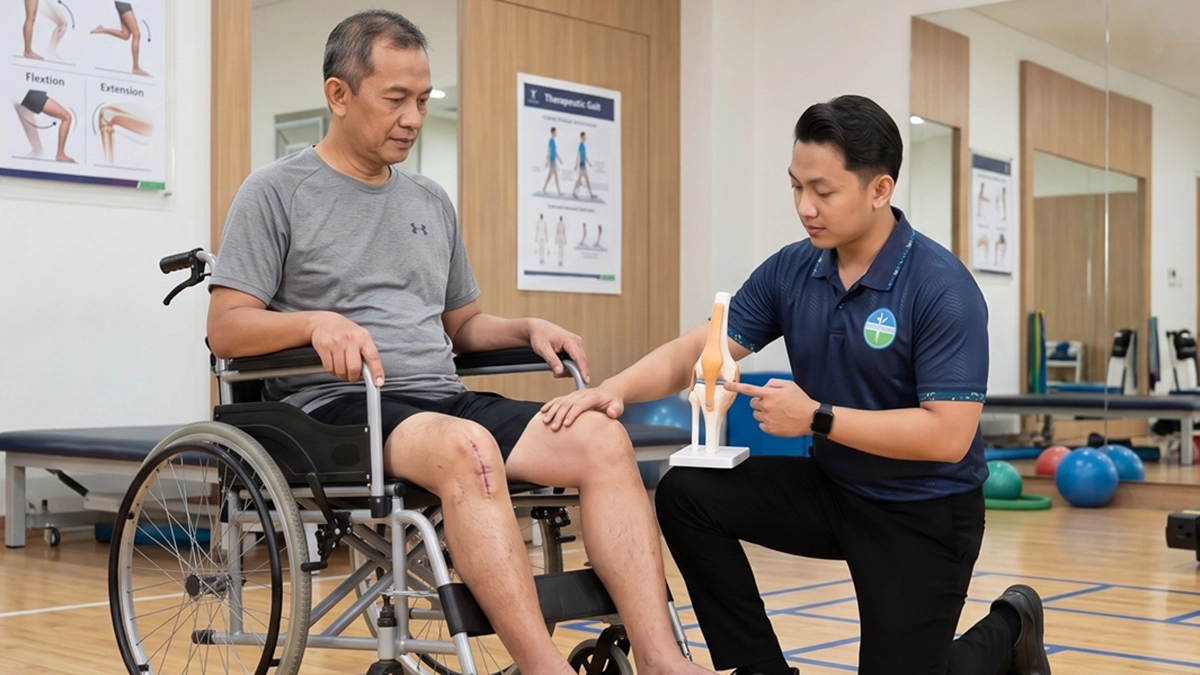
Physiotherapy is an essential part of recovery for patients who have undergone Total Knee Replacement (TKR) surgery. Rather than being an optional treatment, physiotherapy serves as the next critical step in helping patients regain knee function, strength, and independence.
Post-operative rehabilitation primarily involves a series of structured exercises designed to restore knee movement, including bending and straightening the joint. The goal is to strengthen the surrounding muscles, improve mobility, and help patients regain normal functional movement for everyday activities.
Is Physiotherapy Necessary After Total Knee Replacement?
Yes. Physiotherapy is considered a fundamental component of recovery following knee replacement surgery.
In fact, physiotherapy can be beneficial both before and after surgery.
Pre-operative physiotherapy (Prehabilitation) helps prepare patients for surgery by improving muscle strength, maintaining joint mobility, and reducing pre-existing knee stiffness. Better physical condition before surgery is often associated with improved post-operative recovery.
During Total Knee Replacement surgery, damaged cartilage and worn bone surfaces are removed and replaced with artificial joint components designed to restore knee function.
Although TKR is highly successful in reducing pain and improving mobility, surgery alone is only the beginning of recovery. Without appropriate rehabilitation, patients may struggle to regain full movement, strength, and confidence.
Post-operative physiotherapy helps patients:
Restore normal knee mobility.
Rebuild muscle strength.
Improve walking ability.
Return safely to daily activities.
Maximize the long-term success of the knee replacement.
For these reasons, physiotherapy is widely regarded as an indispensable part of comprehensive TKR rehabilitation.
Reducing Pain After Surgery
Post-surgical pain is a normal part of the healing process and can significantly limit mobility during the early stages of recovery.
One of the primary objectives of physiotherapy is to safely reduce pain while encouraging early movement.
Progressive therapeutic exercises strengthen the muscles surrounding the knee, allowing them to absorb more mechanical load and reducing stress on the new joint.
Regular movement also improves blood circulation and oxygen delivery to healing tissues, which may promote wound healing and accelerate recovery.
Exercise programs are always individualized according to each patient's condition, pain level, and stage of healing. Your physiotherapist will prescribe exercises that are both safe and appropriate for your recovery.
Improving Coordination and Movement
Following Total Knee Replacement surgery, many patients initially experience reduced coordination and confidence when walking.
This is expected, as the body must adapt to the mechanics of the new artificial joint.
A structured physiotherapy program helps retrain movement patterns so that patients gradually become comfortable using their new knee during everyday activities.
Daily exercises prescribed by the physiotherapist focus on:
Improving balance.
Restoring normal walking mechanics.
Enhancing coordination.
Increasing confidence during movement.
Recovery timelines vary from person to person, but consistent participation in rehabilitation significantly improves functional outcomes.
Maximizing the Benefits of Knee Replacement Surgery
Orthopedic surgeons and physiotherapists prescribe specific exercises to ensure patients achieve the best possible outcome from Total Knee Replacement surgery.
The ultimate goal is for the artificial knee joint to function as naturally and efficiently as possible.
Patients who do not consistently follow their rehabilitation program may experience:
Persistent stiffness.
Delayed recovery.
Chronic pain.
Reduced knee function.
Difficulty performing everyday activities.
For this reason, physiotherapy is not simply recommended—it is a critical component of successful recovery following knee replacement surgery.
How Is Physiotherapy Performed After Total Knee Replacement?
Post-operative rehabilitation follows a structured, progressive approach.
Treatment generally progresses through four key stages:
Pain and swelling management.
Restoration of basic mobility.
Functional recovery.
Muscle strengthening and long-term conditioning.
Each phase builds upon the previous one, allowing patients to recover safely without placing unnecessary stress on the healing tissues.
The ultimate objective is to restore full function so patients can confidently use their new knee in everyday life.
Early Phase: Restoring Basic Mobility and Managing Pain
During the initial stage of rehabilitation, the primary focus is controlling inflammation, reducing pain, and preventing joint stiffness.
Depending on the patient's condition, physiotherapists may recommend interventions such as:
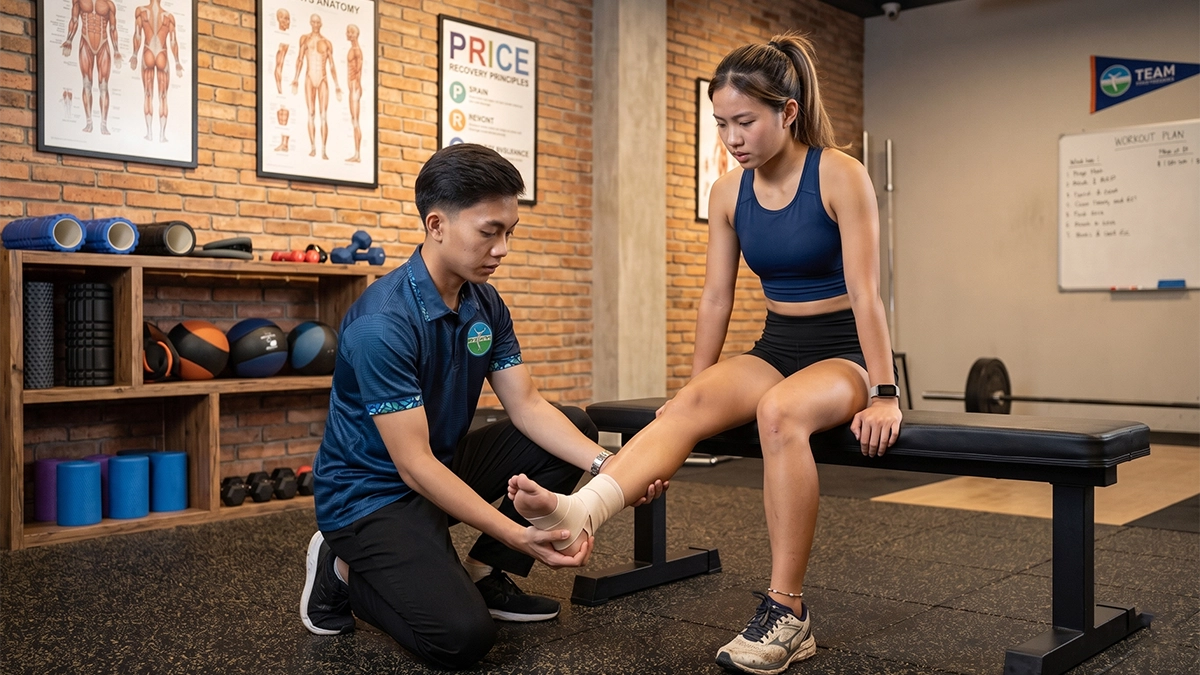
Cold therapy (ice application).
Compression and elevation for swelling management.
Therapeutic ultrasound, when clinically indicated.
Gentle passive range-of-motion exercises.
Passive exercises are performed carefully to encourage movement without placing excessive strain on the newly replaced joint.
Once pain and swelling begin to improve, patients gradually progress to gentle strengthening exercises designed to rebuild muscle activation without overloading the knee.
The primary goals during this phase are:
Reduce postoperative inflammation.
Minimize pain.
Restore basic knee movement.
Prevent excessive stiffness.
Prepare the muscles for more advanced rehabilitation.
Functional Recovery: Advanced Mobility and Muscle Strengthening
This stage typically extends over several weeks and represents one of the most important phases of rehabilitation.
As pain decreases and mobility improves, the rehabilitation program becomes progressively more challenging, focusing on restoring functional movement and rebuilding lower-limb strength.
Particular emphasis is placed on strengthening the:
Quadriceps muscles.
Hamstrings.
Gluteal muscles.
Calf muscles.
Common therapeutic exercises include:
Straight leg raises.
Partial squats.
Sit-to-stand exercises.
Controlled weight-shifting activities.
Patients are also encouraged to begin walking training, initially using assistive devices such as a walker or cane, particularly during the first few weeks after surgery.
These exercises help patients:
Regain a normal walking pattern.
Improve balance and coordination.
Increase lower-limb strength.
Build confidence while walking.
Return safely to independent daily activities.
With consistent physiotherapy and adherence to the rehabilitation program, most patients gradually regain functional mobility and achieve substantial improvements in pain, strength, and overall quality of life following Total Knee Replacement surgery.
Balance Training and Walking Rehabilitation
During this stage, patients gradually begin returning to their normal daily activities. Most individuals enter this phase approximately 7–12 weeks after Total Knee Replacement (TKR) surgery. The primary goal is to restore functional mobility, balance, and confidence while performing everyday movements.
At this stage, patients typically begin walking without assistive devices as their strength and stability improve.
Once comfortable walking independently, balance exercises are introduced, including:
Standing on one leg while maintaining proper posture.
Weight-shifting exercises.
Static and dynamic balance training.
Patients also begin practicing more advanced functional activities such as climbing and descending stairs, which help strengthen the lower extremities while improving coordination and confidence.
These exercises not only restore normal walking mechanics but also strengthen the muscles supporting the knee, enabling patients to safely return to work, recreational activities, and independent living.
Advanced Physical Activity
Approximately 3 to 6 months after surgery, patients usually progress to higher-level physical activities aimed at restoring cardiovascular fitness, endurance, and overall physical conditioning.
Recommended low-impact activities include:
Swimming
Water aerobics
Low-impact aerobic exercise
Brisk walking
Cycling or stationary cycling
By this stage, patients are generally able to move their new knee more confidently and with greater intensity, provided rehabilitation milestones have been achieved.
Successful completion of this phase helps restore:
Knee flexibility
Muscle strength
Physical endurance
Overall functional fitness
Long-term rehabilitation remains essential for maximizing surgical outcomes. Every exercise program is individually designed by the physiotherapist based on the patient's physical condition, medical history, functional goals, and post-operative progress.
Choosing the Right Physiotherapy Clinic in Jakarta for TKR Rehabilitation
Selecting an experienced physiotherapy provider plays an important role in achieving optimal recovery following Total Knee Replacement surgery.
Physiorehab is one of Jakarta's professional physiotherapy clinics, offering comprehensive rehabilitation services delivered by experienced and licensed physiotherapists.
The rehabilitation team has extensive experience managing patients with:
Total Knee Replacement (TKR)
Osteoarthritis
Other joint and musculoskeletal disorders
All treatment programs follow evidence-based clinical practice and prioritize patient safety throughout every stage of recovery.
Because every patient's recovery is unique, physiotherapists develop individualized rehabilitation plans based on each patient's condition, functional abilities, and recovery goals.
Physiorehab is also equipped with modern rehabilitation facilities and advanced therapeutic equipment, enabling patients to receive comprehensive care throughout their recovery journey.
Available physiotherapy services include:
Post-operative rehabilitation
Orthopedic rehabilitation
Sports injury rehabilitation
General physiotherapy
Geriatric physiotherapy
With multiple conveniently located clinics throughout Jakarta and surrounding areas, Physiorehab provides accessible rehabilitation services for patients across the region.
Conclusion
Physiotherapy plays a vital role in helping patients achieve a successful recovery following Total Knee Replacement (TKR) surgery.
A structured rehabilitation program enables patients to regain knee mobility, restore muscle strength, improve balance, and safely return to everyday activities.
Rehabilitation may include therapeutic exercises, manual therapy, and advanced treatment modalities such as:
Therapeutic Ultrasound
Microwave Diathermy (MWD)
Transcutaneous Electrical Nerve Stimulation (TENS)
The primary benefits of post-TKR physiotherapy include:
Restoring balance and body coordination
Improving joint flexibility and reducing stiffness
Relieving pain
Enhancing blood circulation
Strengthening the muscles supporting the knee
Reducing swelling and inflammation
Improving functional independence during daily activities
To maximize recovery, patients should work closely with experienced physiotherapists who utilize evidence-based rehabilitation protocols and modern physiotherapy equipment.
Frequently Asked Questions (FAQs)
1. What is the primary focus of physiotherapy after knee replacement surgery?
The primary goals are to restore knee range of motion, improve muscle flexibility, strengthen the muscles surrounding the knee, hip, and ankle, and gradually return the patient to normal functional activities.
2. How long does knee physiotherapy usually take?
Recovery depends on the underlying condition.
Mild injuries such as sprains may require 2–6 weeks of rehabilitation.
More significant injuries, including ligament tears or dislocations, often require 3–4 months.
Following Total Knee Replacement (TKR) or ACL reconstruction, rehabilitation typically lasts 6–12 months, depending on individual progress.
3. What exercises are recommended after Total Knee Replacement?
Patients are encouraged to perform regular knee extension and flexion exercises, gentle stretching, and progressive strengthening exercises prescribed by their physiotherapist to restore normal movement and function.
4. How soon can I bend my knee after surgery?
Most patients begin gentle knee flexion exercises within 1–3 days after surgery. However, achieving full functional recovery generally takes 3–6 months, depending largely on adherence to the rehabilitation program.
5. How often should I attend physiotherapy after knee replacement?
Your physiotherapist will determine the appropriate schedule based on your recovery stage. As a general guideline, patients are often encouraged to:
Walk for approximately 30 minutes, two to three times per day, as tolerated.
Perform prescribed therapeutic exercises for 20–30 minutes daily.
The exact frequency of supervised physiotherapy sessions varies according to individual needs.
6. What does knee physiotherapy involve?
Knee physiotherapy is a non-surgical rehabilitation program that may include:
Progressive therapeutic exercises
Manual therapy
Therapeutic ultrasound
Electrical stimulation (TENS)
Heat therapy
Cold therapy
The objectives are to improve joint flexibility, strengthen the quadriceps and surrounding muscles, relieve pain, and restore normal mobility.
7. Are there any activities I should avoid during rehabilitation?
Yes. High-impact activities that place excessive stress on the knee should be avoided until cleared by your physiotherapist or orthopedic surgeon.
Examples include:
Running
Jumping
High-impact sports
Sudden twisting or pivoting movements
Avoiding these activities helps protect the healing tissues and reduces the risk of complications while the new knee continues to recover.
 Contact Us