 ID
ID
 EN
EN

Physiotherapy After a Fracture

Post-fracture physiotherapy is a rehabilitation process designed to restore mobility, muscle strength, and comfort during daily activities after the bone has healed.
Without appropriate physiotherapy, patients may be at risk of joint stiffness, muscle weakness, and persistent pain.
Why Is Physiotherapy Important After a Fracture?
A fracture does not mean the recovery process is complete once the bone has healed radiologically.
In many cases, patients may actually begin experiencing functional problems after a cast or stabilization device is removed. Several reasons make post-fracture physiotherapy particularly important:
Reducing joint stiffness caused by prolonged immobilization.
Restoring muscle strength and flexibility that have decreased during the healing period.
Improving coordination and balance, particularly after fractures involving the lower limbs.
Preventing re-injury caused by unstable or incorrect movement patterns.
Helping patients safely return to work, sports, and daily activities.
Without guidance from a physiotherapist, many patients may either be afraid to move or push themselves too hard, both of which can increase the risk of further injury. This is where post-fracture physiotherapy serves as a bridge between the medical healing phase and a return to normal function.
Main Goals of Post-Fracture Physiotherapy
In general, the goals of a post-fracture physiotherapy program include:
Reducing pain and discomfort around the previously fractured area.
Restoring reduced joint range of motion (ROM).
Improving the strength and endurance of muscles supporting the injured bone.
Correcting walking patterns, posture, and movement mechanics that may have changed because of the injury.
Supporting the patient's psychological adaptation so they can regain confidence in using the previously injured limb.
With appropriate physiotherapy, patients can achieve more than structural bone healing—they can also regain the confidence and physical capacity needed to return to an active lifestyle without excessive fear of re-injury.
A well-designed rehabilitation program should take into account the patient's age, occupation, lifestyle, and physical activity goals.
When Is the Right Time to Start Physiotherapy?
Many patients ask when post-fracture physiotherapy can safely begin. The answer depends on the type and location of the fracture, as well as the recommendations of the orthopedic physician.
In general, the following stages are commonly used as a guideline:
Early phase: While the patient is still using a cast or stabilization device, physiotherapy may focus on posture education, breathing exercises, and maintaining muscle strength around areas that are not restricted from movement.
After cast removal / once the bone has healed: Post-fracture physiotherapy can become more active, incorporating range-of-motion exercises, stretching, and muscle strengthening.
Advanced phase: Rehabilitation progresses toward functional activities such as climbing stairs, carrying loads, or performing specific sports-related movements.
Most importantly, patients should not begin strenuous exercises independently without professional guidance. A physiotherapist will adjust the type and intensity of exercise according to the assessment findings and the stage of bone healing.
Stages of Post-Fracture Physiotherapy
A post-fracture physiotherapy program generally consists of several interconnected stages. The exact progression is not rigid and may vary between patients, but the following provides a general overview of the rehabilitation process.
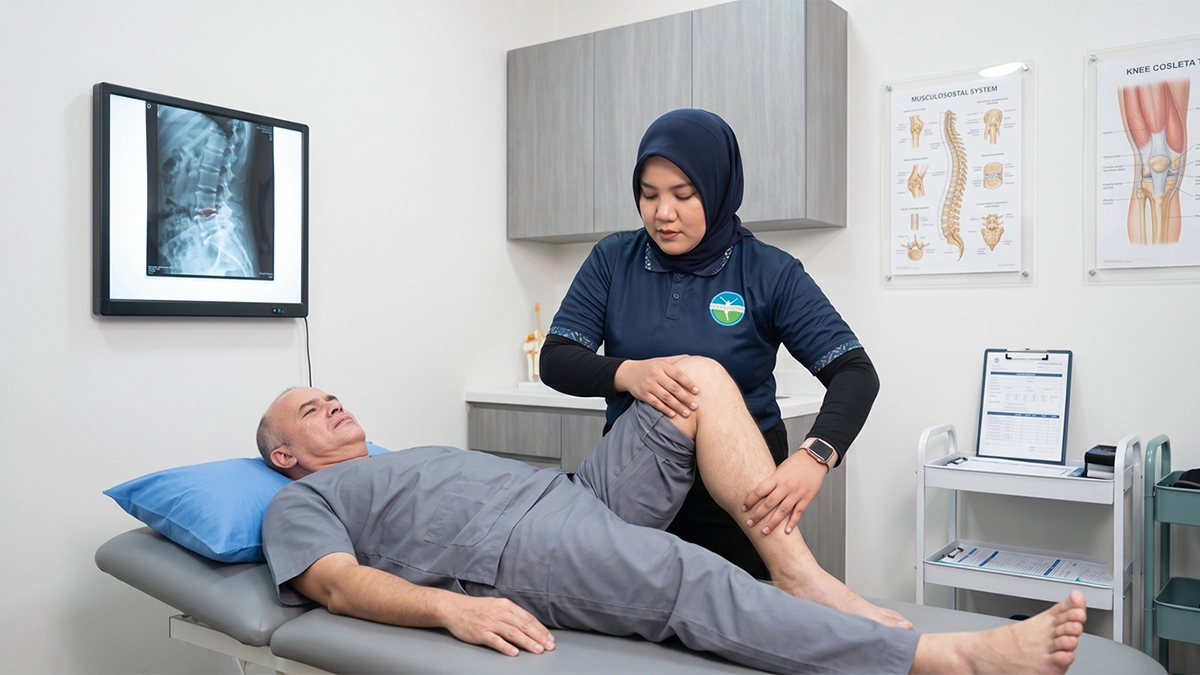
Assessment (Initial Evaluation)
At this stage, the physiotherapist will:
Ask about the patient's fracture history, including its location, type, surgical treatment if applicable, and duration of cast use.
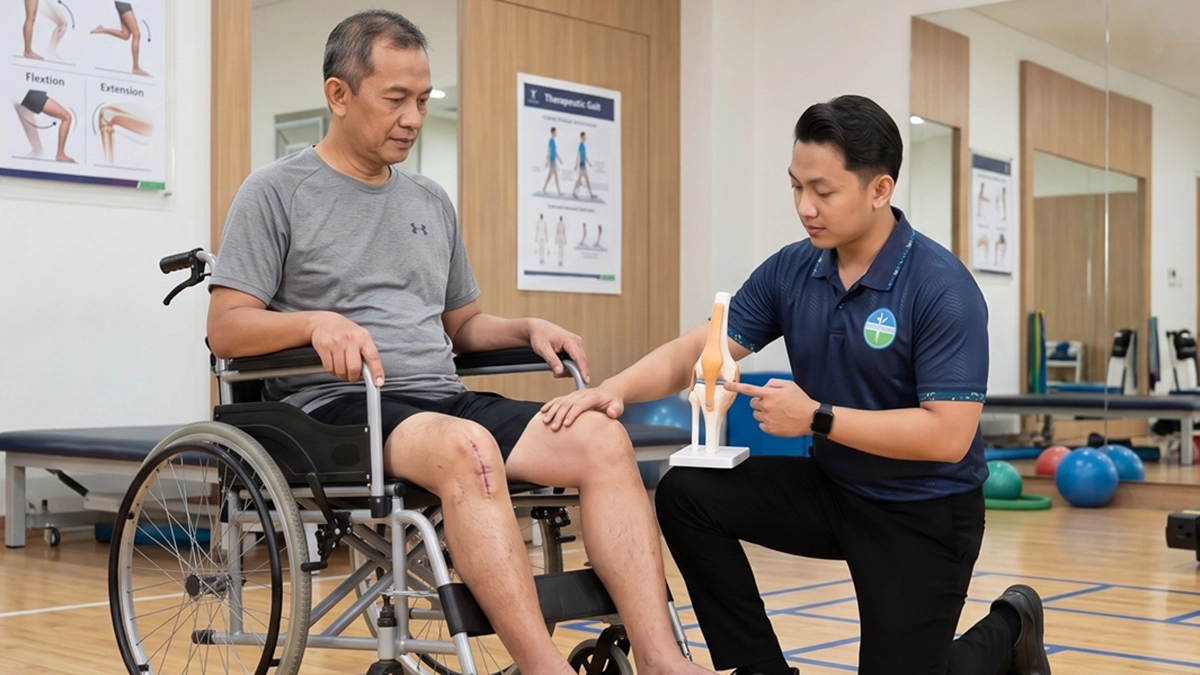
Assess joint range of motion and determine how much the injured body part can move.
Evaluate muscle strength and identify any pain during movement.
Observe walking patterns and functional movements, such as sitting to standing or going up and down stairs.
The results of this assessment form the basis for developing a safe and measurable post-fracture physiotherapy program. A thorough assessment allows exercises to be properly tailored to the patient's condition while reducing the risk of re-injury.
Pain and Swelling Management
Some patients continue to experience pain and swelling even after the fracture has healed.
The physiotherapist will initially focus on managing these symptoms.
Treatment may include:
Manual therapy to help relax tissues surrounding the injured area.
Physical modalities, such as ultrasound, TENS, or cold/heat therapy when clinically indicated.
Education on safe resting positions and appropriate techniques for lifting, weight-bearing, or supporting the affected limb.
As pain decreases, patients generally become more comfortable and confident performing movement exercises. This is important because fear of movement can otherwise interfere with the next stages of rehabilitation.
Range-of-Motion Exercises
Immobilization can cause stiffness in the joints surrounding a fractured bone. Post-fracture physiotherapy gradually works to restore this lost mobility.
Common exercises may include:
Active and passive range-of-motion exercises for joints with reduced mobility.
Stretching of muscles and soft tissues that have shortened during the period of immobilization.
Gentle exercises using simple equipment such as exercise balls or resistance bands.
Exercises are adjusted according to the patient's pain tolerance. The goal is not to force movement, but to gradually and safely restore joint range of motion.
Muscle Strengthening
Once mobility begins to improve, the focus gradually shifts toward strengthening the muscles that support the affected bone and joint.
Without adequate muscle strength, the bones and joints may fatigue more easily, potentially increasing the risk of re-injury.
A strengthening program may include:
Isometric exercises during the early phase when movement remains limited.
Bodyweight exercises, such as light squats or controlled weight-bearing exercises.
Progressive resistance exercises using light dumbbells or resistance bands.
Functional strengthening exercises based on the patient's specific needs, such as work-related lifting tasks or sport-specific movements.
Throughout rehabilitation, the physiotherapist monitors how the body responds to exercise. If excessive pain develops, the intensity or load will be adjusted accordingly.
Functional Training and Return to Activity
This stage prepares the patient to return to everyday routines.
Exercises are no longer limited to basic movements but become increasingly similar to real-life activities.
Examples of functional exercises include:
Practicing stair climbing and descending using proper technique.
Walking exercises on different types of surfaces.
Lifting, pushing, or pulling loads according to occupational requirements.
Sport-specific movement training for patients who wish to return to sports.
Post-fracture physiotherapy helps ensure that every movement transition is performed safely and appropriately. The ultimate goal is for patients to feel physically prepared and confident when returning to their normal activities.
The Role of a Physiotherapy Clinic in Fracture Rehabilitation
Choosing the right physiotherapy clinic can have a significant impact on the quality of recovery.
In addition to having qualified physiotherapists, the clinic's facilities and treatment approach should adequately support the patient's rehabilitation needs.
When choosing a physiotherapy clinic for post-fracture rehabilitation, consider the following:
Trained physiotherapists with experience managing post-fracture and post-operative rehabilitation.
Adequate rehabilitation facilities, including muscle strengthening equipment, walking and functional training areas, and pain management modalities.
A personalized approach, with treatment programs tailored to each patient's individual needs and goals.
Clear communication regarding progress, safe exercise limits, and expected rehabilitation timelines.
Physiorehab, as a physiotherapy clinic in Jakarta, provides comprehensive physiotherapy services designed to address not only current symptoms but also the prevention of long-term complications and functional problems.
Important Considerations for Patients
Patients also play an important role throughout post-fracture physiotherapy. Active participation and adherence to the rehabilitation program can significantly support the recovery process.
Patients should:
Follow the exercise schedule and recommendations provided by their physiotherapist.
Communicate honestly if pain or discomfort develops during or after exercise.
Avoid performing strenuous exercises that have not yet been approved by their physiotherapist or physician.
Maintain a healthy diet and adequate rest to support tissue recovery.
Pay attention to posture when sitting, standing, and walking to avoid placing excessive stress on the previously injured area.
With effective collaboration between the patient, physiotherapist, and physician, post-fracture rehabilitation can become more effective and structured, making a safe return to normal activities a more realistic goal.
Common Fracture Cases That May Require Physiotherapy
Several types of fractures commonly require intensive physiotherapy.
Each case has unique characteristics and may require a slightly different rehabilitation focus. Examples include:
Wrist fractures: focusing on restoring grip strength and wrist mobility.
Arm fractures: rebuilding shoulder and elbow strength for lifting and pushing activities.
Femur or tibia fractures: focusing on walking, stair training, and lower-limb strengthening.
Ankle fractures: emphasizing balance and ankle stability to reduce the risk of re-injury.
Despite these differences, the overall principles remain similar: thorough assessment, pain management, mobility exercises, muscle strengthening, and functional training.
Post-fracture physiotherapy adapts the specific exercises and progression to the individual needs of each patient.
When Should You Consult a Physiotherapy Clinic?
Patients are generally advised to begin physiotherapy after their orthopedic physician has cleared them for rehabilitation activities.
However, early education and guidance may begin even before the cast is removed.
Appropriate times to consult a physiotherapist include:
After a medical follow-up confirms that the bone is beginning to heal.
When the patient experiences joint stiffness or muscle weakness.
When the patient develops fear of movement or concern about fracturing the bone again.
When preparing to return to sports or physically demanding work and professional guidance is needed to exercise safely.
If you are considering post-fracture physiotherapy in Jakarta, you can explore rehabilitation services offered by a professional physiotherapy clinic in Jakarta. Choosing the right rehabilitation provider can help ensure that your recovery progresses safely, systematically, and effectively until you are ready to return to your daily activities.
Frequently Asked Questions (FAQs)
1. Does every fracture require physiotherapy?
Most fractures can benefit from physiotherapy, particularly when immobilization has lasted for an extended period or when the fracture involves a major joint. However, the decision should always be based on the recommendations of the treating physician and the results of the physiotherapy assessment.
2. How long does post-fracture physiotherapy take?
The duration varies significantly between patients and may range from several weeks to several months.
The length of rehabilitation depends on factors such as the location of the fracture, the patient's age, occupation, overall physical condition, and adherence to the prescribed exercise program.
3. Is post-fracture physiotherapy painful?
Some exercises may cause mild discomfort or temporary soreness.
However, the physiotherapist will ensure that exercises remain within a safe and tolerable range for the patient and will modify the program when necessary.
4. Can I perform post-fracture exercises independently at home?
Yes. Some exercises can be performed independently at home after they have been properly demonstrated and taught by a physiotherapist.
However, regular clinical assessments remain important to monitor progress and adjust the rehabilitation program as needed.
5. What happens if I do not undergo physiotherapy after a fracture?
Potential problems include joint stiffness, muscle weakness, persistent pain, and difficulty returning to normal activities.
Post-fracture physiotherapy helps minimize these risks by restoring mobility, strength, balance, and functional movement.
6. When can I return to sports after a fracture?
The appropriate time to return to sports varies depending on the type and severity of the fracture and should be determined in consultation with your physician and physiotherapist.
High-intensity sports should generally only be resumed once adequate strength, mobility, stability, and functional control have been restored.
7. Is physiotherapy only for younger patients?
No. Post-fracture physiotherapy can benefit people of all ages, from young adults to older adults.
The rehabilitation program is adapted according to the patient's age, physical condition, medical history, functional needs, and recovery goals.
8. Do I need a doctor's referral before seeing a physiotherapist?
A doctor's referral can be very helpful because it provides important medical information about the fracture, including its type, location, and treatment history.
However, if you do not have a referral, an initial physiotherapy consultation may still be possible, followed by coordination with your physician when necessary.


 Contact Us