 ID
ID
 EN
EN

Physiotherapy for Osteoarthritis
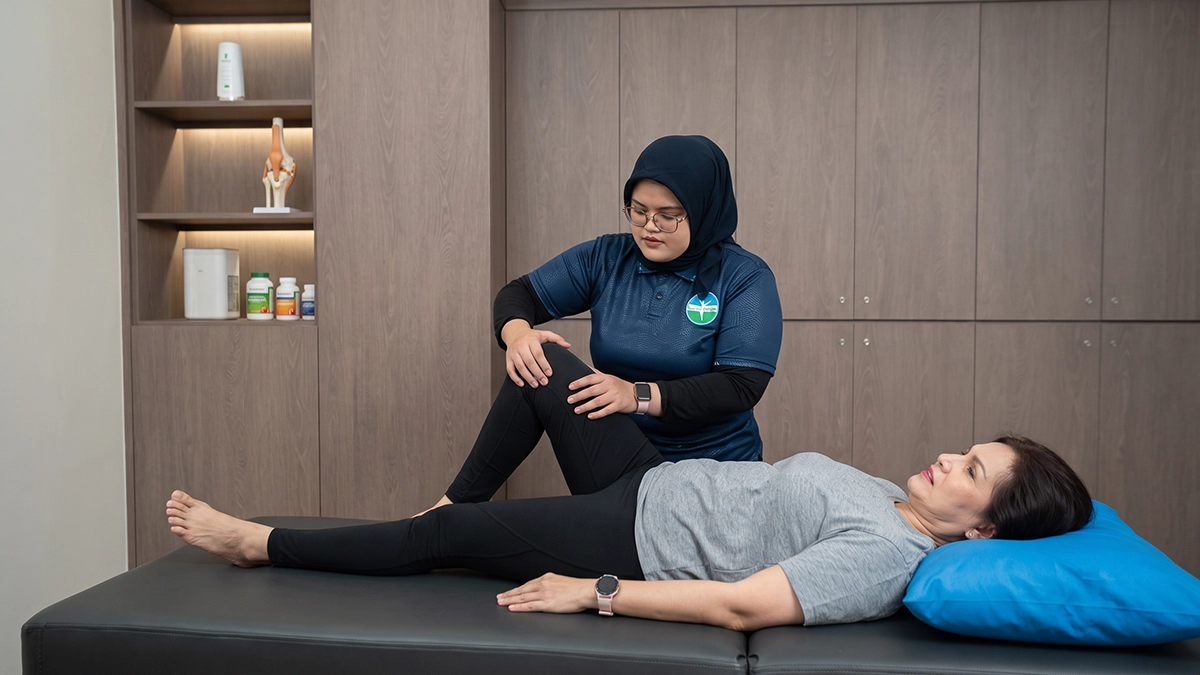
Don't let osteoarthritis gradually limit your mobility and reduce your quality of life. Physiotherapy offers a safe, evidence-based approach to restoring joint function, reducing pain, and helping individuals with osteoarthritis maintain an active lifestyle. Learn more about how physiotherapy can effectively manage osteoarthritis and support long-term joint health.
Why Physiotherapy Is Essential for Osteoarthritis
Physiotherapy is designed to do much more than simply relieve pain. Its primary goal is to restore mobility, improve physical function, and enhance overall quality of life. When performed consistently, a structured physiotherapy program can provide long-term benefits for people living with osteoarthritis.
Reducing Inflammation
Osteoarthritis often causes joint inflammation, resulting in swelling, stiffness, and discomfort.
Physiotherapists may use treatment techniques such as electrical stimulation, manual therapy, or therapeutic massage to help reduce inflammation and improve circulation. By controlling inflammation, the healing process can be optimized, allowing patients to move more comfortably.
Restoring Muscle Strength
Strong muscles play a crucial role in supporting healthy joints during daily activities.
Osteoarthritis frequently leads to muscle weakness, particularly around the affected joint, making routine movements more difficult. Physiotherapy focuses on strengthening these muscles to improve joint support and reduce excessive stress on the articular cartilage.
As surrounding muscles become stronger, they absorb more of the load placed on the joint, helping protect the remaining cartilage from further degeneration.
Improving Balance and Stability
Balance is one of the key factors influencing safe mobility.
Joint degeneration associated with osteoarthritis can reduce coordination and increase the risk of falls. Physiotherapy includes targeted balance and proprioception exercises to improve postural stability and reduce fall risk.
Without appropriate rehabilitation, impaired balance may significantly increase the likelihood of falls and related injuries.
Relieving Pain and Discomfort
Pain is one of the most common symptoms experienced by people with osteoarthritis.
Physiotherapists use various treatment approaches to relieve discomfort, including:
Progressive strengthening exercises
Cold therapy (cryotherapy)
Heat therapy (thermotherapy)
Manual therapy techniques
These interventions help reduce pain, decrease muscle tension, and improve overall joint function.
Improving Joint Flexibility
Restoring normal movement is an essential component of osteoarthritis rehabilitation.
Physiotherapy programs emphasize improving joint mobility and range of motion (ROM) through carefully prescribed exercises. Consistent practice helps restore flexibility, maintain healthy joint mechanics, and improve functional independence.
Physiotherapy: An Effective Non-Surgical Solution for Osteoarthritis
One of the greatest advantages of physiotherapy is that every treatment program is individualized according to each patient's symptoms, functional limitations, and rehabilitation goals.
Unlike more invasive medical interventions, physiotherapy provides a non-surgical, low-risk treatment option aimed at:
Restoring physical function
Improving mobility
Reducing pain
Enhancing overall quality of life
In most cases, physiotherapy does not require long-term medication or surgical intervention. Instead, it relies on evidence-based exercise therapy, manual techniques, and specialized rehabilitation equipment.
Although osteoarthritis cannot currently be cured, physiotherapy has consistently been shown to reduce symptoms, improve physical function, and slow functional decline.
Comprehensive Initial Assessment
Before developing a personalized rehabilitation program, the physiotherapist performs a comprehensive evaluation to understand the patient's condition and establish appropriate treatment goals.
The assessment typically includes:
Medical history, including the duration of symptoms and previous medical conditions.
Movement assessment, evaluating joint mobility and range of motion.
Pain assessment, including pain intensity and aggravating factors.
Joint examination, assessing swelling, stiffness, stability, and functional limitations.
This evaluation helps determine how osteoarthritis affects the patient's daily activities—for example, difficulty standing up from a chair, climbing stairs, or walking for extended periods.
Because every patient experiences osteoarthritis differently, treatment priorities may also differ. For some individuals, pain management is the initial focus, while others may require greater emphasis on restoring mobility or muscle strength.
A thorough assessment also provides the information needed to design a structured exercise program tailored to each patient's specific needs and abilities.
Early-Stage Physiotherapy
During the initial phase of rehabilitation, patients begin with gentle, controlled exercises designed to restore normal joint movement.
For individuals with knee osteoarthritis, one common intervention involves guided patellar mobilization, where the kneecap is gently moved in multiple directions to:
Reduce pain
Improve joint lubrication
Restore normal patellar mobility
Enhance knee movement
When performed correctly and consistently, these exercises help improve joint function while minimizing discomfort.
All movements should be slow, controlled, and performed under the supervision of a qualified physiotherapist, especially during the early stages of rehabilitation.
The physiotherapist may also incorporate manual therapy or soft tissue mobilization techniques to reduce muscle tension and improve blood circulation around the affected joint.
Supportive Treatment Modalities: MWD, Therapeutic Ultrasound, and TENS
Several therapeutic modalities may be used alongside exercise therapy to maximize treatment outcomes.
Microwave Diathermy (MWD)
Microwave Diathermy uses deep heat generated by electromagnetic waves to penetrate body tissues.
Potential benefits include:
Reducing joint pain
Improving joint flexibility
Increasing local blood circulation
Relaxing surrounding muscles
Therapeutic Ultrasound
Therapeutic ultrasound uses high-frequency sound waves to stimulate deeper tissues beneath the skin.
This modality may help:
Improve blood circulation
Promote soft tissue healing
Reduce inflammation
Accelerate tissue recovery
Ultrasound therapy is commonly used as an adjunct treatment alongside therapeutic exercise rather than as a standalone intervention.
Transcutaneous Electrical Nerve Stimulation (TENS)
TENS delivers low-voltage electrical impulses through the skin to stimulate sensory nerves.
Its primary goals include:
Reducing pain perception
Stimulating the release of endorphins (the body's natural pain-relieving chemicals)
Interrupting pain signals traveling to the brain
TENS is widely used as a safe, non-invasive method for short-term pain management during osteoarthritis rehabilitation.
Progressive Functional Exercise Program
The final stage of osteoarthritis rehabilitation focuses on long-term functional improvement through a personalized exercise program.
Depending on the patient's goals and lifestyle, the program may include exercises that improve:
Muscle strength
Balance
Flexibility
Functional mobility
Endurance
Strengthening the muscles surrounding the affected joint allows them to provide better support and reduce excessive joint loading during everyday activities.
The physiotherapist also considers the patient's daily routine, occupation, recreational activities, and physical demands when designing the program. This individualized approach ensures that rehabilitation remains functional, goal-oriented, and sustainable.
Although this stage follows the primary treatment phase, it is equally important because it helps patients maintain their progress, prevent symptom recurrence, and preserve long-term joint health.
Additional Tips to Support Osteoarthritis Recovery
In addition to following a structured physiotherapy program, several lifestyle modifications can help accelerate recovery and improve long-term joint health.
Use Walking Aids When Necessary
During the early stages of recovery, using a walking aid such as a cane or walker can help reduce the load placed on painful joints and surrounding muscles.
Ask your physiotherapist or physician which assistive device is most appropriate for your condition and daily activities. Even during light activities, temporary use of a walking aid can protect the affected joint while it heals.
Prioritizing recovery during this phase allows you to return to your normal activities more safely and efficiently once your symptoms improve.
Use Cold or Heat Therapy for Pain Relief
If you experience increased joint pain, applying cold or heat therapy may help manage your symptoms.
Cold therapy (ice packs) helps reduce inflammation, swelling, and acute pain.
Heat therapy helps relax stiff muscles, improve circulation, and reduce joint stiffness.
Your physiotherapist can advise you on when each modality is most appropriate based on your symptoms.
Maintain a Healthy Diet and Body Weight
Maintaining a healthy body weight is one of the most effective ways to reduce stress on weight-bearing joints.
Patients with osteoarthritis are encouraged to limit excessive intake of:
High-calorie foods
Saturated and trans fats
Refined carbohydrates
Even modest weight loss can significantly decrease the mechanical load placed on the knees and hips, helping relieve pain and improve mobility.
For individuals who find exercise difficult because of joint pain, dietary modification becomes an important strategy for weight management.
Choose Low-Impact Physical Activities
Although high-impact exercise should be avoided during painful flare-ups, remaining physically active is essential for maintaining joint health.
Recommended low-impact activities include:
Swimming, which strengthens muscles while placing minimal stress on the joints.
Walking, performed at a comfortable pace and distance without overexertion.
Stationary cycling, which improves cardiovascular fitness and joint mobility with minimal impact.
The key is to exercise consistently without overloading the affected joints. Your physiotherapist can recommend the appropriate frequency and intensity based on your condition.
If your physician prescribes medication following your assessment or physiotherapy sessions, take it as directed to help manage symptoms and support your rehabilitation program.
Recommended Physiotherapy Clinic in Jakarta for Osteoarthritis
Physiorehab provides professional physiotherapy services in Jakarta for individuals experiencing musculoskeletal and joint conditions, including osteoarthritis.
The clinic offers specialized rehabilitation programs in both Orthopedic Physiotherapy and Geriatric Physiotherapy.
Orthopedic Physiotherapy
Orthopedic physiotherapy focuses on disorders affecting the musculoskeletal system, including:
Osteoarthritis
Back pain
Ligament injuries
Bone fractures
Other orthopedic conditions
Treatment aims to reduce pain and inflammation while improving joint mobility, muscle strength, flexibility, and overall physical function.
Geriatric Physiotherapy
Geriatric physiotherapy is specifically designed for older adults experiencing age-related conditions such as:
Osteoarthritis
Osteoporosis
Arthritis
Balance disorders
Reduced mobility
These rehabilitation programs help older adults maintain independence, improve mobility, reduce pain, and enhance their overall quality of life.
Frequently Asked Questions (FAQs)
1. Is massage safe for people with osteoarthritis?
Yes, provided it is performed appropriately. Massage should avoid excessive pressure directly over painful joints, as aggressive techniques may aggravate symptoms. It is recommended that manual therapy be performed by a qualified healthcare professional.
2. Can I undergo physiotherapy every day?
In most cases, physiotherapy sessions are recommended two to three times per week, allowing adequate time for muscles and soft tissues to recover between treatments. The ideal frequency depends on the severity of your condition and your rehabilitation goals.
3. Are there foods or activities I should avoid if I have osteoarthritis?
Yes. Patients with osteoarthritis are generally advised to:
Limit foods high in sodium, added sugars, and trans fats.
Avoid excessive body weight gain.
Refrain from high-impact or strenuous physical activities that place excessive stress on the affected joints.
4. Which vitamins may benefit people with osteoarthritis?
Vitamin K2 is commonly discussed for its role in bone health. However, nutritional supplementation should always be individualized and discussed with your physician or dietitian, as current evidence supports maintaining an overall balanced diet rather than relying on a single supplement.
5. What types of physical activity are recommended for people with osteoarthritis?
Low-impact exercises are generally recommended, including activities that:
Improve joint mobility
Strengthen the muscles supporting the joints
Enhance flexibility
Reduce stiffness without placing excessive stress on the joints
Examples include walking, swimming, cycling, and supervised therapeutic exercises.
6. What are the common treatment options for osteoarthritis?
Treatment typically involves a combination of approaches, depending on symptom severity, including:
Physiotherapy
Lifestyle modification and weight management
Nonsteroidal anti-inflammatory drugs (NSAIDs), when appropriate
Corticosteroid injections for selected patients
Surgical intervention only when conservative treatment is no longer effective
A personalized treatment plan should always be developed in consultation with your healthcare provider.
7. How effective is physiotherapy for osteoarthritis?
Physiotherapy is considered one of the most effective conservative treatments for osteoarthritis. A structured rehabilitation program can:
Improve joint function
Strengthen the muscles supporting the affected joint
Reduce mechanical stress on the joint
Relieve pain and stiffness
Enhance mobility and overall quality of life
When combined with healthy lifestyle habits and long-term exercise adherence, physiotherapy can significantly improve daily function and help delay disease progression.
 Contact Us