 ID
ID
 EN
EN

Physiotherapy for Shoulder Pain (Frozen Shoulder) in Jakarta

Shoulder pain can make your arm feel “locked” or difficult to move. This
condition is not simply ordinary muscle fatigue. In the medical field, it is
commonly diagnosed as Frozen Shoulder or Adhesive Capsulitis.
This article provides a comprehensive guide to shoulder pain
physiotherapy (Frozen Shoulder) in Jakarta and how proper treatment can help
restore joint mobility.
What Is Frozen Shoulder?
Frozen Shoulder is a condition characterized by stiffness and pain in
the shoulder joint. Symptoms usually develop gradually, worsen over time, and
may eventually improve. Without proper treatment, recovery can take between 1
to 3 years.
Anatomically, the shoulder joint is surrounded by a strong connective
tissue called the joint capsule. In cases of Frozen Shoulder, this capsule
becomes thickened and stiff, restricting the movement of the upper arm bone
within the shoulder socket.
People with Frozen Shoulder often experience difficulty performing
simple daily activities such as:
- Combing
their hair
- Fastening a
bra strap
- Scratching
their back
- Putting on
clothes
- Reaching
for objects placed overhead
The Three Stages of Frozen Shoulder
Frozen Shoulder generally progresses through three stages, which help
determine appropriate treatment strategies:
1. Freezing Stage
Any shoulder movement causes pain, and range of motion gradually becomes
limited. This stage typically lasts 6–9 months.
2. Frozen Stage
Pain may begin to decrease, but the shoulder becomes significantly
stiffer and harder to use in daily activities. This stage usually lasts 4–12
months.
3. Thawing Stage
Shoulder movement gradually improves. Full recovery of mobility may take
6 months to 2 years.
Symptoms and Risk Factors
Frozen Shoulder commonly affects individuals who:
- Work long
hours at a computer
- Have
diabetes
- Have a
history of shoulder injury or surgery
Common symptoms include:
- Severe pain
when reaching overhead or behind the back
- Sharp or
dull pain on the outer shoulder, sometimes radiating to the upper arm
- Significant
stiffness limiting shoulder rotation
Although the exact cause is not fully understood, several risk factors
increase the likelihood of developing Frozen Shoulder:
Immobilization
Prolonged lack of shoulder movement following surgery or injury.
Systemic Conditions
Thyroid disorders, diabetes, and cardiovascular diseases.
Age and Gender
More common in individuals over 40 years old, particularly women.
Diagnosis of Frozen Shoulder
Before diagnosing Frozen Shoulder, a medical professional will conduct:
- A medical
history interview
- A physical
examination of the shoulder and arm
During the physical exam, the doctor will assess:
- Active
range of motion (patient moves the arm independently)
- Passive
range of motion (doctor moves the arm while muscles are relaxed)
If necessary, additional imaging tests such as X-rays, MRI, or
ultrasound may be recommended to rule out other conditions like arthritis.
Physiotherapy Treatment for Frozen Shoulder
Physiotherapy plays a crucial role in restoring movement and function in
patients with Frozen Shoulder. Evidence-based treatment helps reduce pain and
gradually improve shoulder mobility.
One physiotherapy clinic in Jakarta providing structured Frozen Shoulder
management is Physiorehab. Treatment programs are tailored to each
patient’s specific condition and needs.
Treatment Procedures at Physiorehab
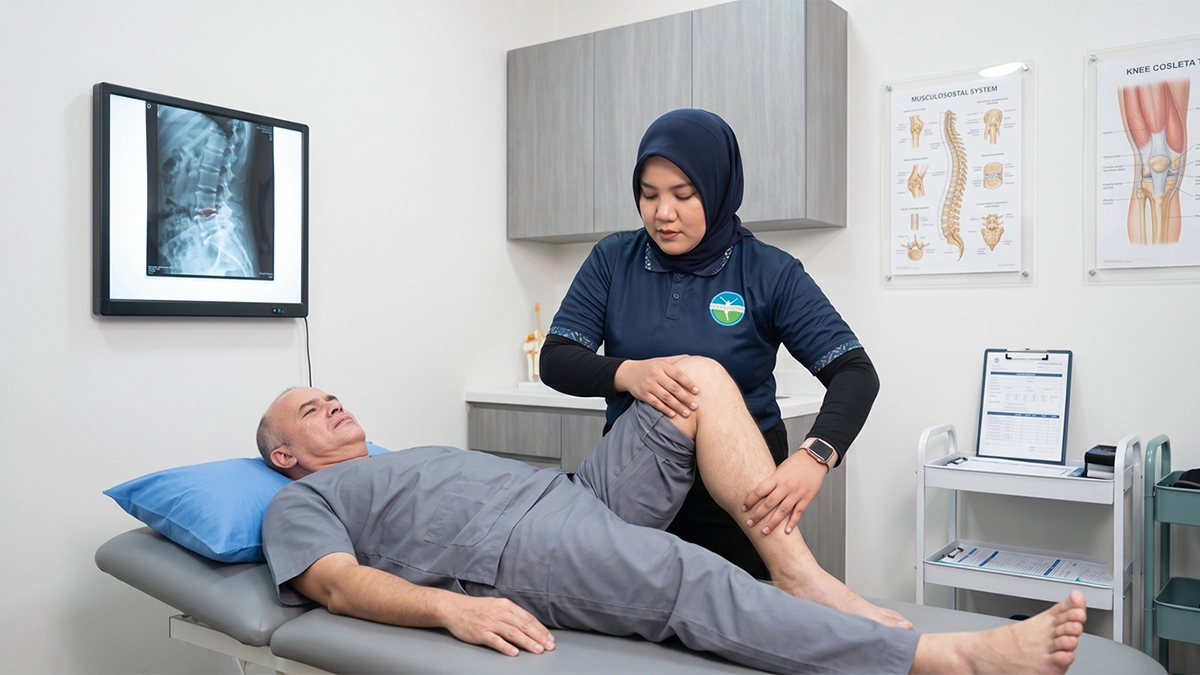
1. Initial Assessment
A comprehensive evaluation is conducted to assess:
- Range of
Motion (ROM)
- Pain level
- Muscle
compensation patterns caused by stiffness
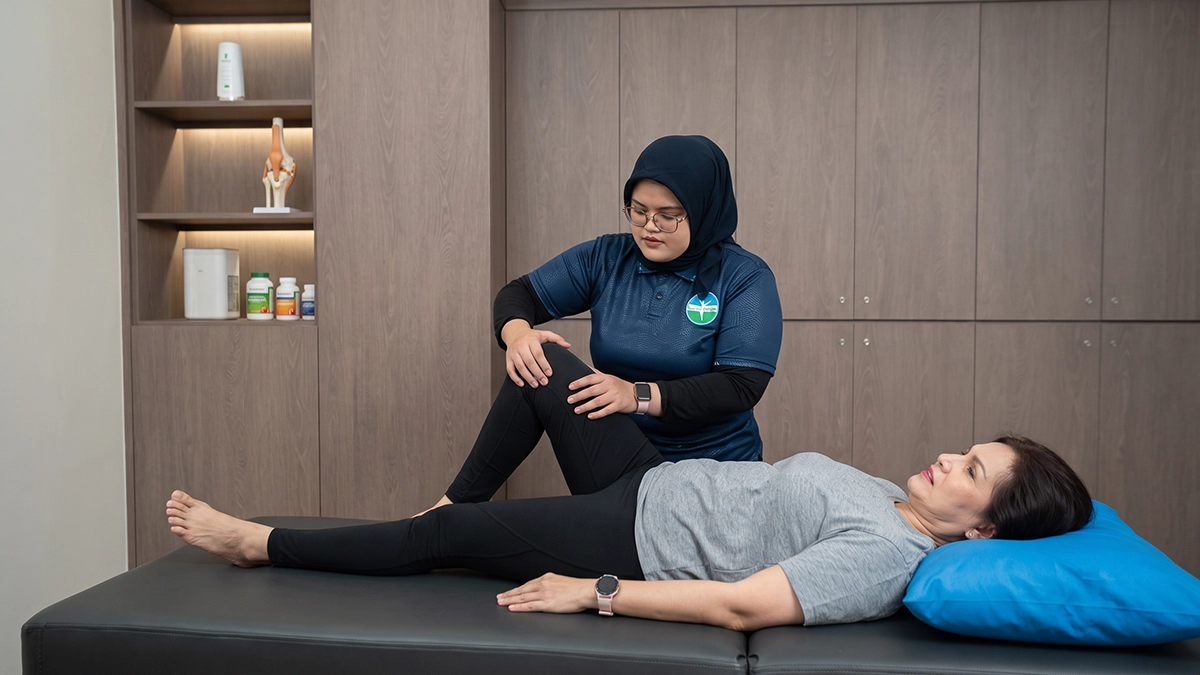
2. Manual Therapy
Physiotherapists perform specific joint mobilization techniques to
gently “loosen” the stiff joint capsule. These techniques are applied carefully
without equipment to improve joint lubrication and minimize adhesions.
3. Stretching and Strengthening Exercises
Once pain is controlled, therapy focuses on targeted exercises to
improve flexibility and strength without causing additional injury.
Patients are guided through movements such as pendulum stretches and
towel stretches with proper technique.
4. Posture and Ergonomic Education
Poor sitting posture during prolonged computer work is a common
contributing factor. Physiotherapists provide ergonomic guidance to reduce
shoulder joint stress.
Why Choose Physiorehab in Jakarta?
Physiorehab is known as a leading physiotherapy clinic specializing in
physical and neuromuscular rehabilitation.
Holistic Approach
Focuses on identifying and addressing the root cause of Frozen Shoulder
to prevent recurrence.
Experienced Professionals
The physiotherapy team consists of trained and experienced professionals
with deep anatomical knowledge.
Modern Facilities
Equipped with advanced rehabilitation tools supporting both manual
therapy and modern therapeutic modalities.
Strategic Location
Conveniently located in Jakarta, easily accessible for office workers
and residents.
Physiorehab Branch Locations
Tangerang
- Karawaci
- Gading
Serpong
- Alam Sutera
(coming soon)
Jakarta
- Simatupang
- Gandaria
- Cideng
- Kelapa
Gading
- PIK
- Meruya
(coming soon)
Other Cities
- Bekasi
- Medan
- Surabaya
Featured Services at Physiorehab Jakarta
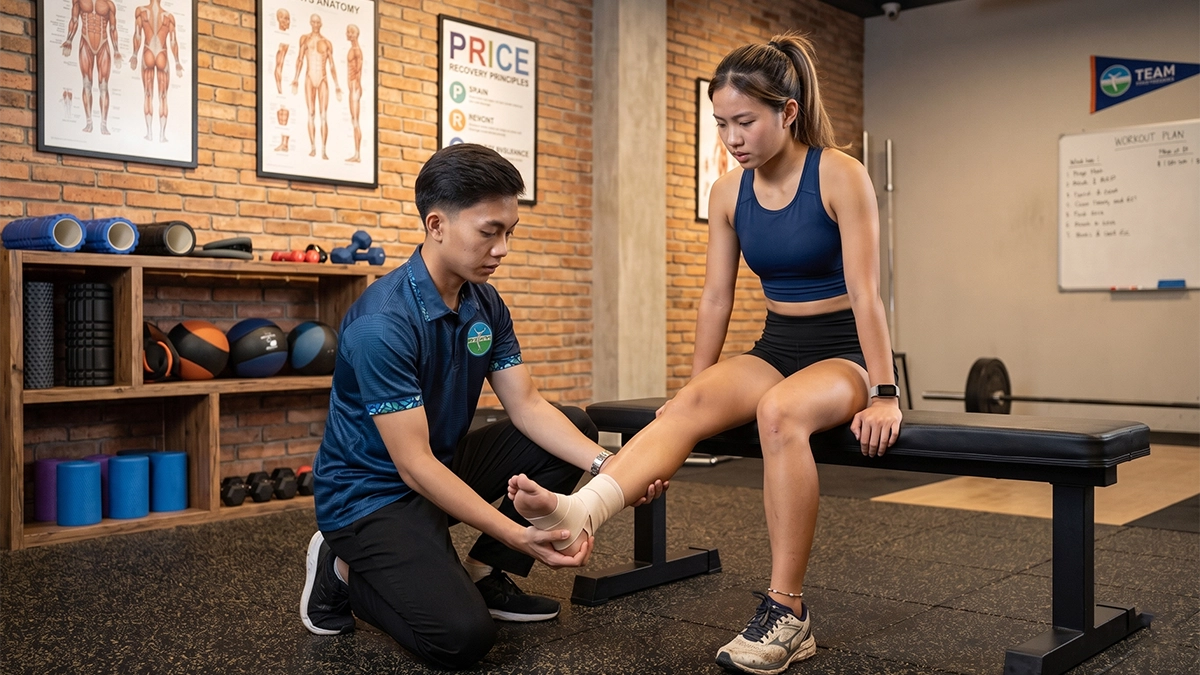
Sports Physiotherapy
Ideal for active individuals experiencing sports-related shoulder
injuries.
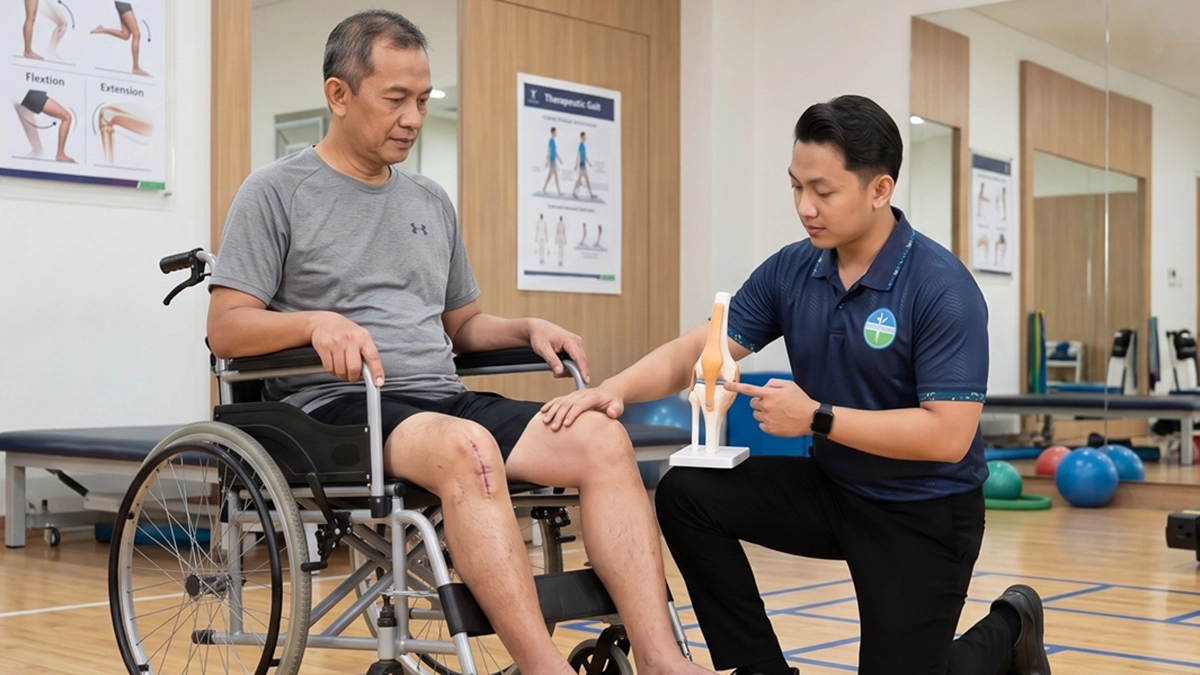
Post-Operative Rehabilitation
Supports recovery following orthopedic surgery on the shoulder or arm.
Why Professional Physiotherapy Matters
Traditional massage without proper anatomical understanding may worsen
inflammation or cause capsule damage.
At Physiorehab, every treatment is conducted according to tissue healing
phases to minimize complications. Safety and movement effectiveness are always
prioritized.
Tips to Prevent Shoulder Stiffness at Home
While undergoing physiotherapy, you can also:
- Gently move
your arm daily
- Avoid
sleeping on the painful shoulder for prolonged periods
- Take regular breaks if working long hours at a computer
Conclusion
If you begin experiencing symptoms of Frozen Shoulder, seek
physiotherapy care promptly. Delaying treatment can prolong pain and increase
joint stiffness.
Physiorehab is committed to providing safe, effective, and professional
rehabilitation services supported by experienced therapists and modern
facilities.
Don’t let Frozen Shoulder limit your activities or reduce your quality
of life. Consult with the professional physiotherapy team at Physiorehab for an
accurate diagnosis and personalized rehabilitation program.
 Contact Us