 ID
ID
 EN
EN

Sports Injury Physiotherapy in Jakarta
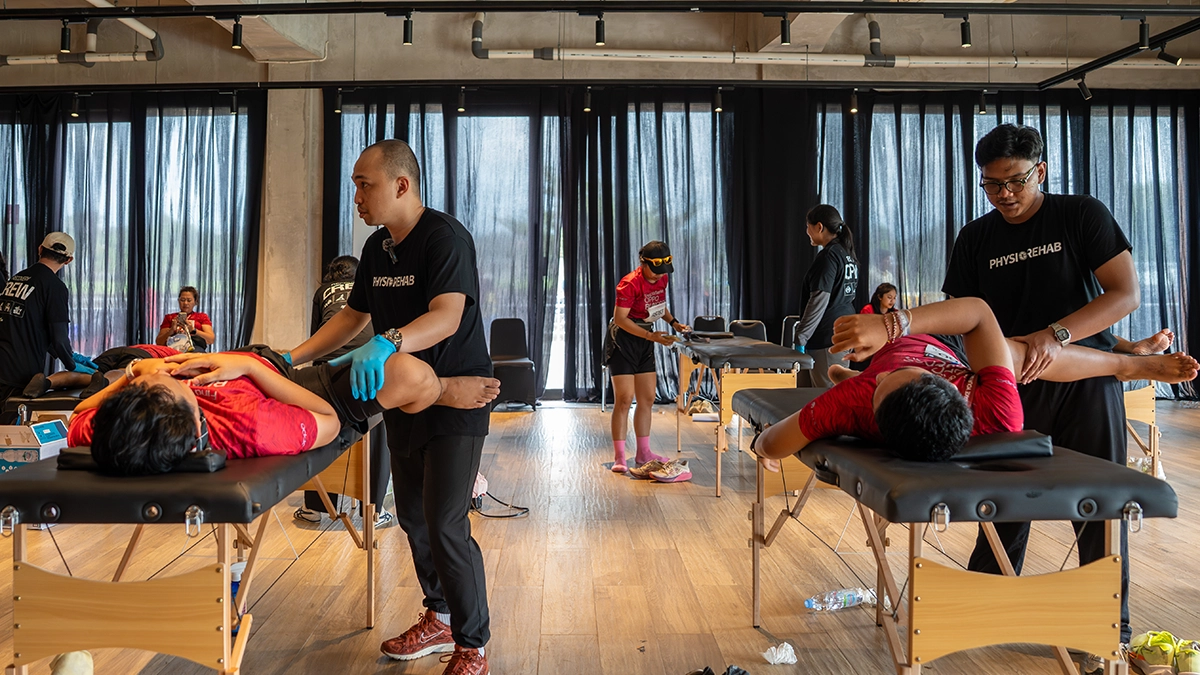
Sports
injuries can affect anyone—from professional athletes and sports communities to
individuals exercising for general fitness. While regular physical activity
provides significant health benefits, improper technique and inadequate
preparation can increase the risk of injury.
In a
metropolitan city like Jakarta, where active lifestyles are becoming
increasingly common, the demand for sports injury physiotherapy services
continues to grow. Physiotherapy plays a crucial role in the recovery process,
not only by reducing pain but also by restoring functional movement, strength,
and preventing recurrence. Proper and structured management enables individuals
to safely and effectively return to their daily activities and sports
performance.
Understanding
Sports Injuries Comprehensively
Sports
injuries refer to disorders affecting the musculoskeletal system, including
muscles, ligaments, tendons, joints, and bones, resulting from physical
activity. These injuries may occur acutely (sudden onset) or develop gradually
due to overuse.
Common
sports injuries observed in Jakarta include:
- Sprains and muscle
strains – Often affecting
the ankle, knee, or shoulder due to sudden movements or rapid directional
changes
- Knee ligament
injuries (ACL/MCL) – Common among
basketball, futsal, and high-intensity sports participants
- Shoulder injuries
(rotator cuff) – Frequently seen in
swimming, tennis, and weightlifting
- Tendinitis – Tendon inflammation caused by repetitive
movements, commonly affecting runners and badminton players
- Exercise-related low
back pain – Resulting from
improper technique or excessive loading
Without
proper rehabilitation, these conditions may progress into chronic issues that
impair daily function and athletic performance.
The Role
of Physiotherapy in Sports Injury Recovery
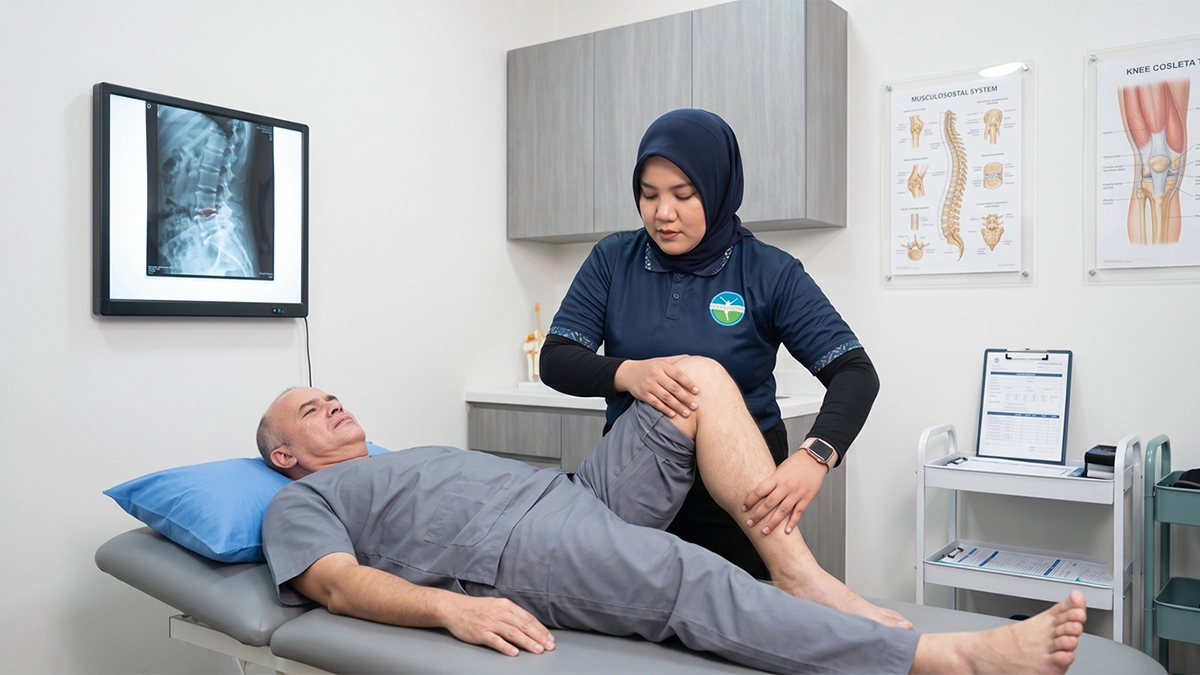
Physiotherapy
adopts a comprehensive approach to managing sports injuries, aiming not only to
alleviate pain but also to restore full functional capacity.
Key roles
of physiotherapy include:
1.
Functional Assessment and Diagnosis
A
thorough evaluation is conducted, including injury history, movement patterns,
muscle strength, joint stability, and posture. This assessment forms the
foundation for an individualized rehabilitation program.
2. Pain
and Inflammation Management
During
the acute phase, treatment focuses on reducing pain and inflammation using
manual therapy techniques, electrotherapy modalities, and other evidence-based
interventions to facilitate tissue healing.
3.
Restoration of Range of Motion
Injuries
often lead to restricted mobility. Physiotherapy helps gradually restore joint
flexibility and movement to optimal levels.
4.
Strengthening and Stabilization
Targeted
strengthening exercises are essential to improve muscle support and joint
stability, reducing the risk of reinjury.
5.
Return-to-Sport Program
The final
stage prepares patients to safely resume sports through sport-specific training
tailored to their activity demands, minimizing the likelihood of recurrence.
Criteria
for Choosing a Sports Injury Physiotherapy Clinic in Jakarta
Improper
management of sports injuries can lead to long-term complications, including
chronic pain and functional limitations. Therefore, selecting the right
physiotherapy clinic is critical.
Key
considerations include:
1.
Comprehensive Initial Assessment
A
professional clinic conducts a holistic evaluation, addressing not only the
site of pain but also biomechanics, movement patterns, and contributing
factors.
2.
Individualized Treatment Programs
Rehabilitation
should be tailored to:
- Type and severity of
injury
- Patient’s age and
physical condition
- Type of sport
- Recovery goals
(recreational vs. competitive return)
3.
Qualified and Experienced Therapists
Therapists
should have expertise in sports injury management, particularly for complex
conditions such as ligament injuries and post-operative rehabilitation.
4.
Evidence-Based Practice
Treatment
methods should be supported by scientific research, ensuring safety,
effectiveness, and alignment with modern rehabilitation standards.
5.
Regular Evaluation and Monitoring
Progress
should be continuously assessed through measurable parameters such as strength,
range of motion, and functional performance.
6.
Patient Education and Guidance
Patients
should be educated on:
- Proper home exercises
- Activity
modifications
- Injury prevention
strategies
This
reflects a commitment to long-term recovery, not just short-term symptom
relief.
Introducing
Physiorehab as a Physiotherapy Clinic in Jakarta
In the
context of sports injury rehabilitation, selecting a facility with clear and
structured service standards is essential. Physiorehab is a physiotherapy
clinic in Jakarta specializing in musculoskeletal disorders and sports
injuries.
Physiorehab
emphasizes comprehensive assessments prior to intervention. Each patient
receives an individualized rehabilitation program tailored to their injury
condition, activity level, and recovery goals.
The
physiotherapy team at Physiorehab is experienced in managing a wide range of
conditions, from acute sports injuries to post-surgical rehabilitation. All
treatment approaches are grounded in evidence-based practice, ensuring that
each intervention is scientifically supported.
For
individuals seeking a physiotherapy clinic in Jakarta, choosing a provider with
a structured and professional approach is key to achieving optimal and
sustainable recovery outcomes.
Phases of
Sports Injury Rehabilitation
Rehabilitation
typically progresses through several interconnected phases:
1. Acute
Phase
Focus on
pain and inflammation control, with careful management to protect injured
tissues.
2.
Subacute Phase
Gradual
introduction of mobility and flexibility exercises as pain decreases.
3.
Strengthening Phase
Progressive
strengthening and stabilization exercises to restore muscle function and
movement control.
4.
Return-to-Activity Phase
Sport-specific
training to prepare patients for safe return to their activities.
This
phased approach aligns with the body’s natural healing process and minimizes
the risk of reinjury.
Risks of
Untreated or Improperly Managed Injuries
Sports
injuries are often underestimated as minor conditions that will resolve
spontaneously. However, without appropriate management, they may lead to
significant long-term complications:
- Chronic pain affecting both activity and rest
- Joint instability, increasing susceptibility to reinjury
- Reduced physical
performance due to decreased
strength and coordination
- Compensatory movement
patterns, leading to
secondary injuries
- Higher risk of
recurrent and more severe injuries
- Impairment of daily
activities, including work and
routine tasks
Conclusion
Sports
injury physiotherapy in Jakarta is increasingly essential in today’s active
urban lifestyle. Proper management not only alleviates pain but also restores
function, enhances strength, and prevents recurrence.
Selecting
a professional physiotherapy clinic with comprehensive assessment and
individualized treatment programs is a critical step in recovery. With a
structured, evidence-based approach, rehabilitation can be both effective and
safe.
For
individuals seeking high-quality physiotherapy services, choosing a clinic with
proven expertise and systematic care will provide long-term benefits for
overall health and physical performance.
 Contact Us