 ID
ID
 EN
EN

Physiotherapy for HNP (Herniated Nucleus Pulposus) in Jakarta
Lower
back pain that radiates down to the legs is often mistaken for simple fatigue
or muscle soreness. However, this condition may indicate a Herniated Nucleus
Pulposus (HNP), commonly known as a pinched nerve.
In a
metropolitan city like Jakarta, where mobility is high and work often requires
prolonged sitting, HNP cases are increasingly common among individuals in their
productive years. The good news is that not all HNP cases require surgery. With
the right physiotherapy approach, symptoms can be managed effectively and
progressively.
This
article provides a comprehensive overview of HNP physiotherapy in Jakarta,
including treatment methods and available professional services.
What is
Herniated Nucleus Pulposus (HNP)?
HNP is a
condition in which the cushioning disc between the vertebrae protrudes or
shifts out of place. These discs function as shock absorbers and support spinal
flexibility.
When the
outer layer of the disc (annulus fibrosus) weakens or tears, the inner soft
material (nucleus pulposus) can protrude and compress nearby nerves. This
pressure leads to pain and can cause sensory and motor disturbances.
HNP most
commonly occurs in the lower spine (lumbar region), as it bears the greatest
load. However, it can also occur in the cervical (neck) region.
Symptoms
of HNP
Symptoms
vary depending on the location and severity of nerve compression. In mild
cases, symptoms may be minimal, but in more severe conditions, they can
significantly interfere with daily activities.
Common
symptoms include:
- Persistent lower back
or neck pain
- Radiating pain to the
buttocks and legs (sciatica) in lumbar HNP
- Pain radiating to the
shoulders or arms in cervical HNP
- Tingling, numbness,
or a “pins and needles” sensation
- Muscle weakness in
affected areas
Pain
often worsens with prolonged sitting, coughing, sneezing, or bending.
In more
serious cases, symptoms may include loss of bladder or bowel control or
progressive limb weakness, requiring immediate medical attention. Early
detection and treatment are crucial to prevent complications.
Causes
and Risk Factors of HNP
HNP
typically develops due to a combination of repetitive stress on the spine and
age-related degeneration of the discs.
1. Poor
Posture
Non-ergonomic
sitting or standing positions are among the most common causes, especially in
office workers. Prolonged slouching increases pressure on spinal discs.
2.
Prolonged Sitting (Sedentary Lifestyle)
Lack of
movement weakens the muscles supporting the spine. Weak core muscles shift more
load to the spinal structures, increasing HNP risk.
3.
Improper Lifting Techniques
Lifting
heavy objects with incorrect posture—especially bending without engaging the
knees—can cause sudden pressure on the spine.
4.
Age-Related Degeneration
As we
age, spinal discs lose hydration, becoming less flexible and more prone to
damage. HNP is most common between ages 30–50.
5. Excess
Body Weight
Extra
weight increases the load on the lower spine, accelerating disc degeneration.
6. Injury
or Trauma
Accidents,
falls, or direct impact to the back can trigger HNP, sometimes with delayed
symptoms.
7. Weak
Core Muscles
The
abdominal and back muscles are essential for spinal stability. Weakness in
these muscles increases spinal strain.
Why is
Physiotherapy Important for HNP?
Most HNP
cases can be treated conservatively without surgery. Physiotherapy plays a key
role—not only in pain relief but also in restoring function and spinal
stability.
Nerve
compression is often influenced by muscle weakness, poor posture, and
inefficient movement patterns. A structured physiotherapy program addresses
these underlying issues, making recovery more effective and sustainable.
Goals of
Physiotherapy for HNP
Physiotherapy
aims to:
- Reduce pain and
inflammation
- Relieve nerve
compression
- Improve posture and
movement patterns
- Strengthen core and
spinal support muscles
- Increase flexibility
and stability
This
comprehensive approach helps address root causes and reduces the risk of
recurrence, ultimately improving quality of life.
Physiotherapy
Methods for HNP
Treatment
is tailored to each patient based on assessment and severity.
1. Manual
Therapy
Mobilization
techniques help reduce joint stiffness, improve flexibility, and relieve nerve
pressure.
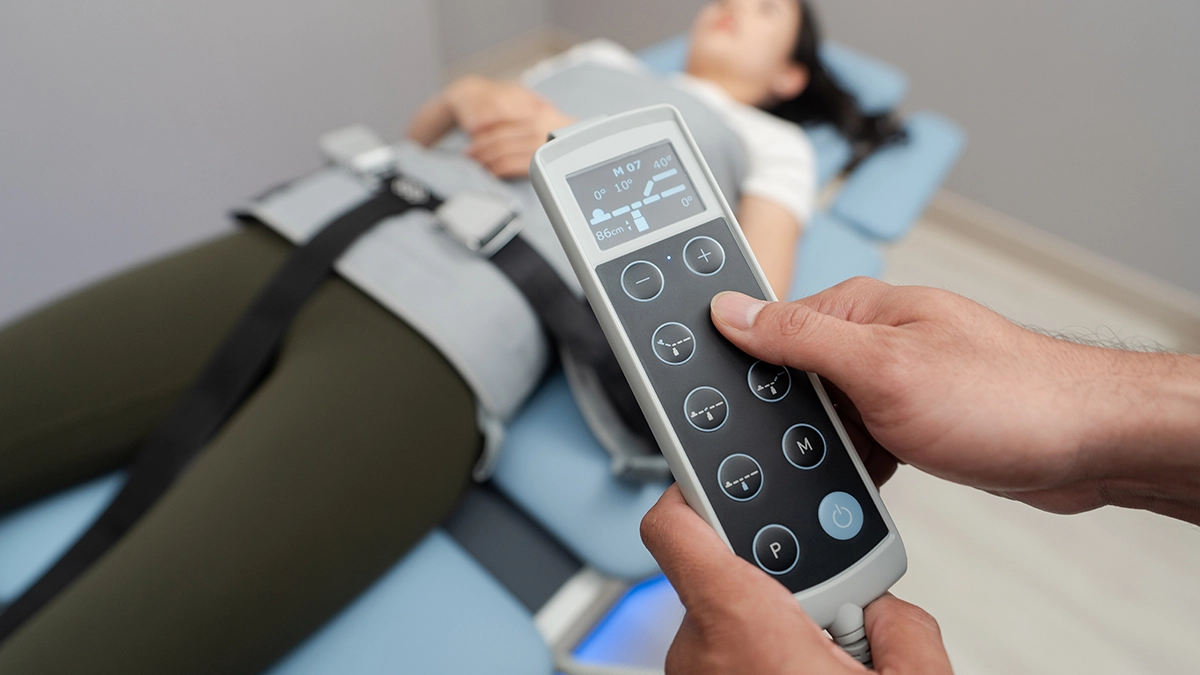
2. Spinal
Traction
Controlled
stretching of the spine helps reduce disc and nerve compression, especially in
the acute pain phase.
3.
Electrotherapy
Modalities
such as TENS or ultrasound are used to reduce pain, improve circulation, and
promote tissue healing.
4.
Therapeutic Exercise
Customized
exercise programs strengthen core, back, and pelvic muscles to stabilize the
spine and prevent recurrence.
5.
Postural and Ergonomic Education
Patients
are guided on proper sitting, standing, and lifting techniques, which are
essential for long-term recovery.
Physiotherapy
for HNP in Jakarta: Choosing the Right Clinic
Jakarta
offers many physiotherapy facilities, but selecting the right clinic is
critical for successful treatment.
Key
considerations include:
- Comprehensive initial
assessment
- Personalized
treatment programs
- Experienced and
qualified therapists
- Evidence-based
treatment approaches
- Regular progress
evaluations
A
structured and professional approach ensures optimal, safe, and sustainable
recovery.
Introducing
Physiorehab as a Physiotherapy Clinic in Jakarta
Physiorehab
is a physiotherapy clinic in Jakarta specializing in musculoskeletal
rehabilitation, including HNP management. The clinic emphasizes thorough
assessment to ensure each patient receives a tailored treatment program based
on their condition.
Services
include:
- HNP (pinched nerve)
treatment
- Neck and shoulder
pain management
- Sports injury
rehabilitation
- Joint disorders
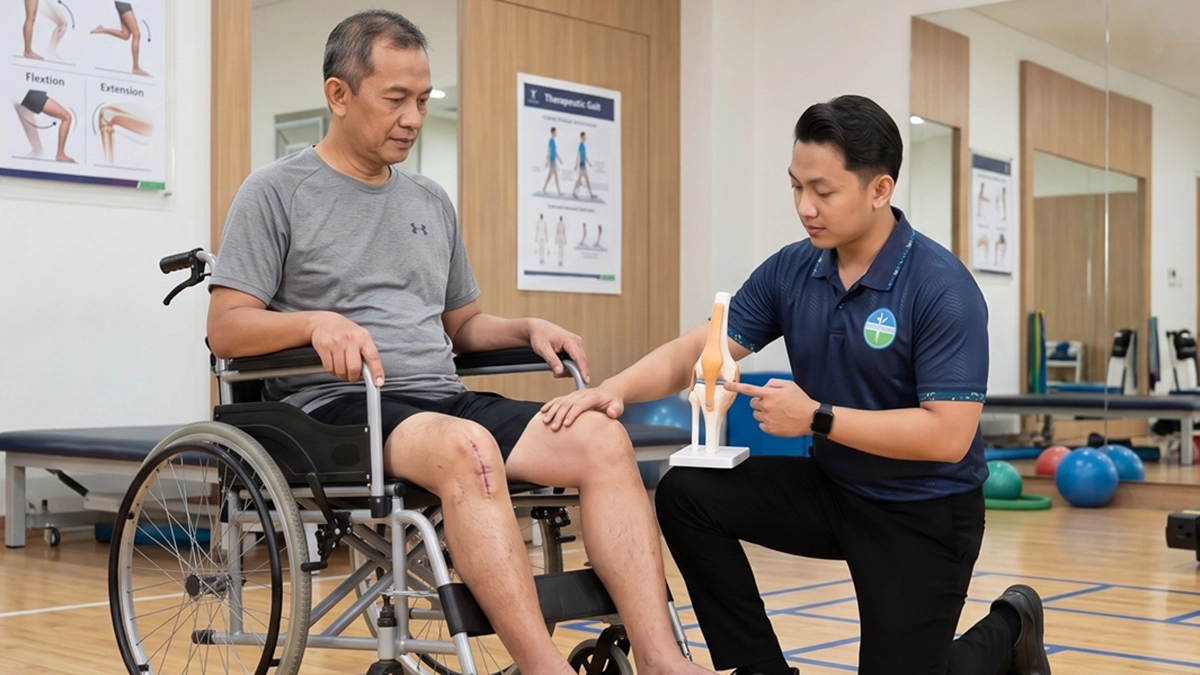
- Post-operative
rehabilitation
- Postural correction
Physiorehab
adopts a professional and patient-centered approach, ensuring clear
communication throughout the therapy process.
For more
information, you can visit their official website at Physiorehab.id.
Stages of
HNP Physiotherapy
Treatment
is conducted in structured phases:
1.
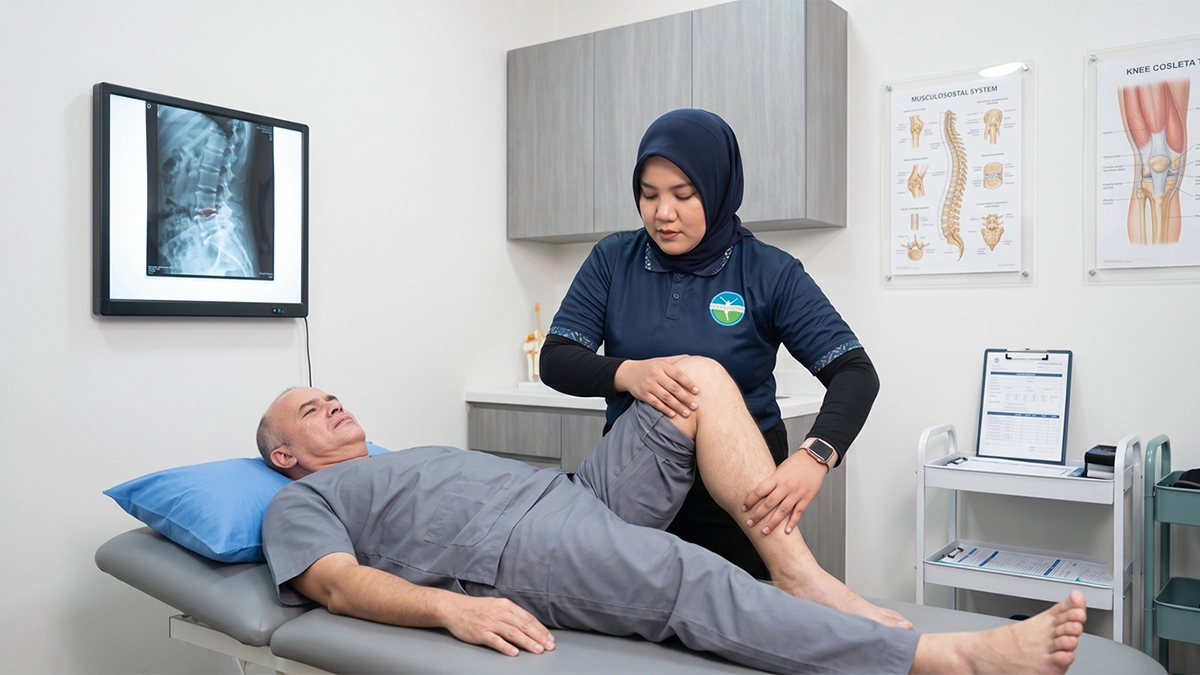
Initial Assessment
Includes
evaluation of symptoms, posture, muscle strength, flexibility, and movement
patterns. MRI or X-ray results may also be reviewed.
2.
Treatment Planning
An
individualized program is designed, including therapy type, frequency, and
recovery goals.
3.
Therapy Sessions
May
include manual therapy, traction, electrotherapy, and core strengthening
exercises.
4.
Patient Education
Patients
receive guidance on posture and home exercises to support recovery.
5.
Progress Evaluation
Regular
monitoring allows adjustments based on patient response.
Preventing
HNP Recurrence
To
prevent relapse:
- Maintain proper
posture
- Use ergonomic seating
- Perform regular
stretching
- Strengthen core
muscles
- Avoid sudden heavy
lifting
- Maintain a healthy
weight
Prevention
is a key part of long-term rehabilitation.
Conclusion
Physiotherapy
for HNP in Jakarta is an effective solution for individuals seeking
non-surgical treatment for a pinched nerve. With a structured approach,
physiotherapy can reduce pain, restore function, and prevent recurrence.
Choosing
a professional physiotherapy clinic is essential for optimal results.
Physiorehab offers comprehensive rehabilitation services with a personalized
and assessment-based approach.
Early and
appropriate treatment can help you return to daily activities comfortably and
productively.


 Contact Us