 ID
ID
 EN
EN

Knee Pain: A Common Urban Musculoskeletal Condition
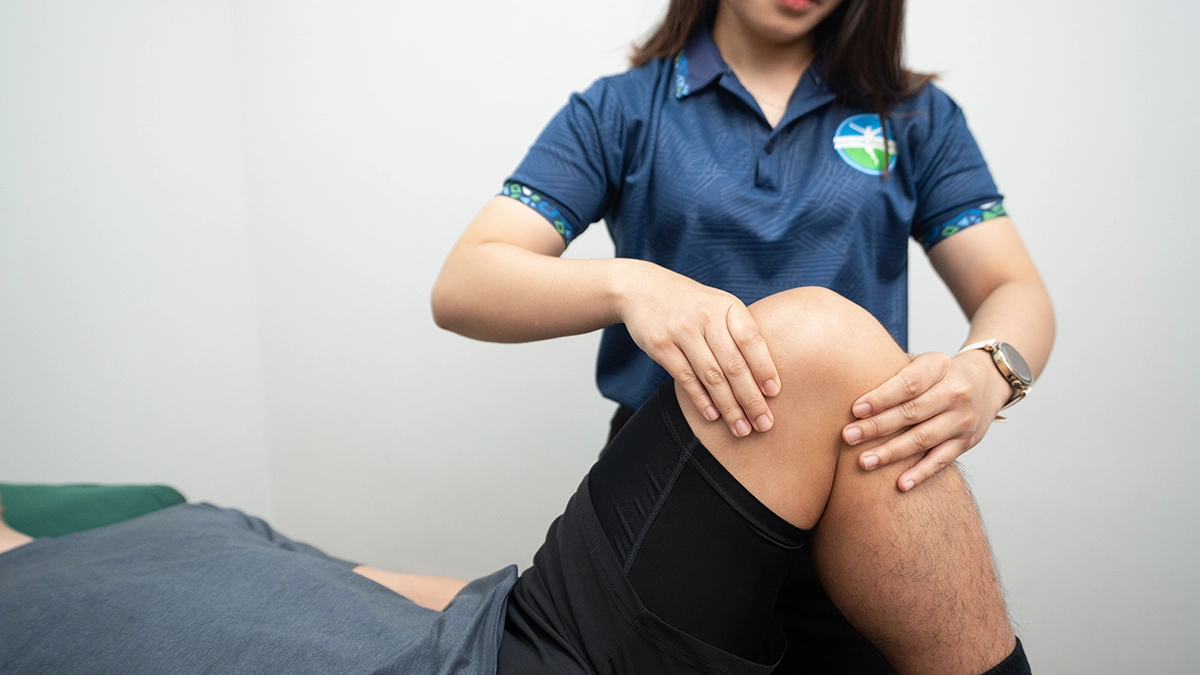
Knee pain
is one of the most common musculoskeletal complaints experienced by people
living in urban environments. This condition does not only affect athletes or
physically active individuals, but also office workers, homemakers, and the
elderly.
Daily
activities such as climbing stairs, standing for prolonged periods, sitting
with poor posture, or exercising with improper technique can trigger issues in
the knee joint. In a metropolitan city like Jakarta, where mobility is high and
lifestyles are dynamic, knee pain has become a widespread concern.
Unfortunately,
many individuals delay seeking treatment until the pain significantly
interferes with their daily activities. In fact, early physiotherapy
intervention can help prevent the condition from progressing into something
more serious.
Causes of
Knee Pain
The knee
plays a crucial role in supporting body weight during standing, walking, and
various physical activities. As a joint composed of multiple interconnected
structures, its complexity makes it particularly vulnerable to injury and pain.
Some
common causes of knee pain include:
1.
Ligament and Meniscus Injuries
These
injuries often occur due to sports activities, sudden twisting movements, or
direct impact. Tears in the ligaments or meniscus can lead to pain, swelling,
and limited mobility.
2. Knee
Osteoarthritis
This
degenerative condition commonly occurs in individuals over the age of 40,
although it may develop earlier. The thinning of cartilage leads to increased
friction between bones, resulting in pain and stiffness.
3.
Patellofemoral Pain Syndrome
This
condition is frequently experienced by individuals who engage in repetitive
stair climbing or running. The pain is typically felt in the front of the knee
and may worsen with certain movements.
4.
Tendinitis
Tendinitis
is inflammation caused by overuse of the tendon. It is commonly seen in
physically active individuals, especially those who do not perform adequate
warm-up before exercising.
Accurately
identifying the cause of knee pain is essential, as each condition requires a
specific treatment approach for optimal results.
The
Impact of Knee Pain on Daily Activities
Knee pain
not only causes discomfort but can also significantly limit daily activities.
Since the knee is essential for mobility, any disruption can affect walking,
standing, climbing stairs, and even rising from a seated position.
Over
time, persistent pain can reduce independence and work productivity. Prolonged
sitting may lead to stiffness, while extended standing or walking can worsen
the pain.
Many
individuals unconsciously alter their walking patterns to avoid discomfort.
This compensatory movement can lead to additional issues in the hips or lower
back due to uneven load distribution.
Beyond
physical limitations, chronic knee pain may reduce participation in physical
activity and overall fitness levels. If left untreated, it can develop into
more complex conditions that affect overall quality of life.
The Role
of Physiotherapy in Managing Knee Pain
Knee pain
can be effectively managed through physiotherapy as a non-surgical approach.
Treatment is structured and targeted, aiming to address the root cause rather
than merely alleviating symptoms, enabling patients to return to their
activities safely and comfortably.
Key
Physiotherapy Stages:
1.
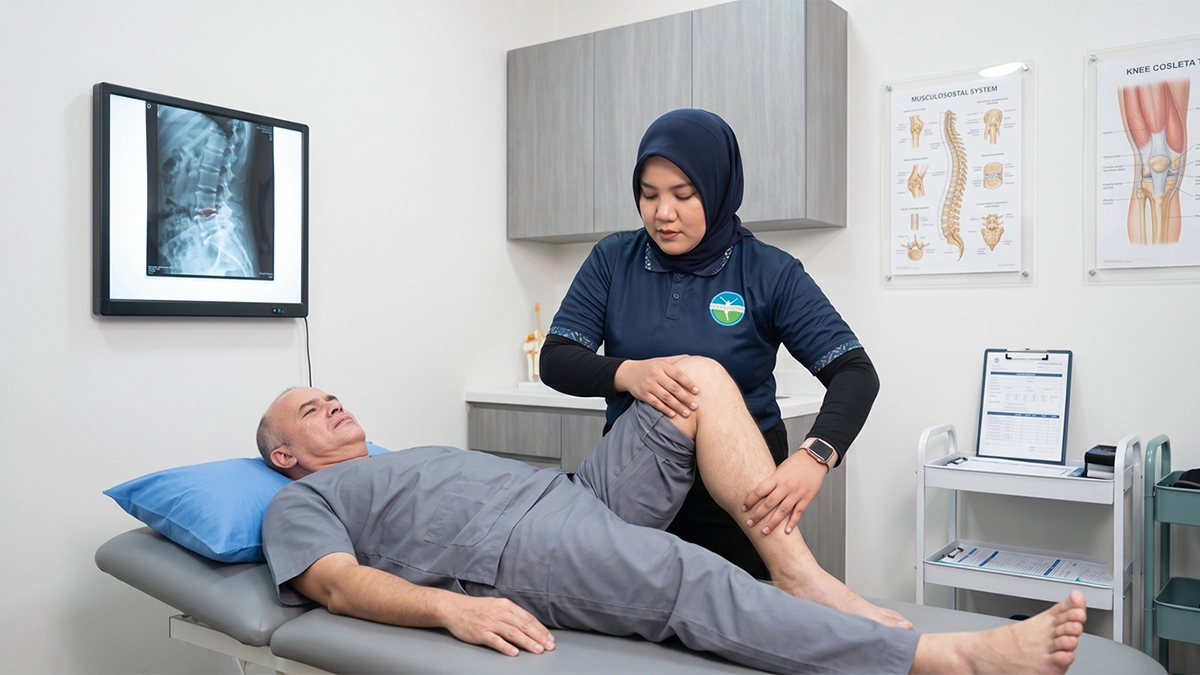
Comprehensive Assessment
The
initial session involves a thorough evaluation. The therapist assesses gait
patterns, muscle strength in the thighs and hips, joint stability, flexibility,
and the patient’s activity history. This helps identify the source of pain and
design an appropriate treatment plan.
2. Pain
and Inflammation Management
In the
early phase, treatment focuses on reducing pain and swelling. Manual therapy,
light exercises, and specific modalities may be used to support tissue healing.
3.
Strengthening and Stabilization Exercises
The
quadriceps and hamstrings play a vital role in supporting the knee. Exercise
programs are designed to improve strength and stability, ensuring better load
distribution across the joint.
4.
Movement Pattern Correction
If pain
is caused by poor biomechanics, physiotherapy helps correct movement patterns,
which is crucial in preventing recurrence.
Risks of
Ignoring Knee Pain
Knee pain
is often underestimated, with many individuals choosing to ignore it or rely
solely on pain medication without addressing the underlying cause.
Some
potential risks include:
1.
Progressive Joint Damage
Conditions
such as tendon inflammation, ligament injuries, or osteoarthritis can worsen
over time if untreated. Continuous joint stress may accelerate cartilage damage
and intensify pain.
2.
Reduced Mobility
Persistent
pain can lead to decreased movement. Over time, this results in joint stiffness
and reduced flexibility, requiring longer rehabilitation.
3. Muscle
Weakness
Reduced
activity due to pain can weaken surrounding muscles. This places additional
stress on the joint, increasing the likelihood of recurring pain.
4.
Increased Risk of Reinjury
Untreated
knee pain can lead to joint instability, making the knee feel weak or unstable
during movement, increasing the risk of recurrent injuries.
5.
Secondary Issues in Other Areas
Compensatory
movement patterns can lead to imbalanced load distribution, potentially causing
pain in the hips, ankles, or lower back.
6.
Decreased Quality of Life
Chronic
pain can affect daily comfort, sleep quality, and emotional well-being,
ultimately reducing overall quality of life.
These
risks highlight the importance of early and appropriate intervention.
The
Importance of Choosing a Professional Physiotherapy Clinic
Knee pain
requires an individualized, clinically-based approach. Choosing a physiotherapy
clinic with a structured treatment system is essential.
A
professional clinic typically offers:
- Detailed initial
assessment
- Personalized
rehabilitation programs
- Experienced
therapists in musculoskeletal conditions
- Regular progress
evaluations
- Evidence-based
treatment approaches
Such an
approach not only reduces pain but also restores optimal knee function.
Physiorehab:
A Physiotherapy Clinic in Jakarta
When
managing knee pain, selecting the right healthcare provider is crucial. Not all
joint conditions can be resolved through rest or medication alone. A structured
and personalized rehabilitation approach is often required.
Physiorehab
is a physiotherapy clinic in Jakarta specializing in musculoskeletal
conditions, including knee pain caused by sports injuries, overuse, and
degenerative conditions such as osteoarthritis.
1.
Assessment-Based Approach
Physiorehab
emphasizes comprehensive initial assessments, evaluating not only the painful
area but also contributing factors such as muscle strength, joint stability,
flexibility, and movement patterns.
2.
Individualized Treatment Programs
Each
patient receives a personalized rehabilitation plan tailored to their
condition, activity level, and recovery goals, with progressive adjustments
based on response to treatment.
3.
Functional Recovery Focus
The goal
is not only pain relief but also restoring optimal knee function. Programs are
designed to improve muscle strength, joint stability, and correct movement
patterns to reduce recurrence risk.
4.
Patient Education
Education
is an integral part of therapy. Patients are guided on understanding their
condition, performing home exercises, and preventing future issues, empowering
them to take an active role in their recovery.
With a
structured, professional, and patient-centered approach, Physiorehab serves as
a reliable option for individuals seeking effective physiotherapy care in
Jakarta.
Conclusion
Knee pain
can affect individuals of all ages. Without proper treatment, it can interfere
with daily activities and reduce quality of life. Physiotherapy offers an
effective non-surgical solution to reduce pain, improve stability, and restore
optimal knee function.
If you
are looking for a physiotherapy clinic in Jakarta to manage knee pain, choosing
one that provides comprehensive assessments and personalized rehabilitation
programs is a wise step toward maintaining long-term joint health.
 Contact Us