 ID
ID
 EN
EN

Foot & Heel Pain Physiotherapy (Plantar Fasciitis) in Jakarta
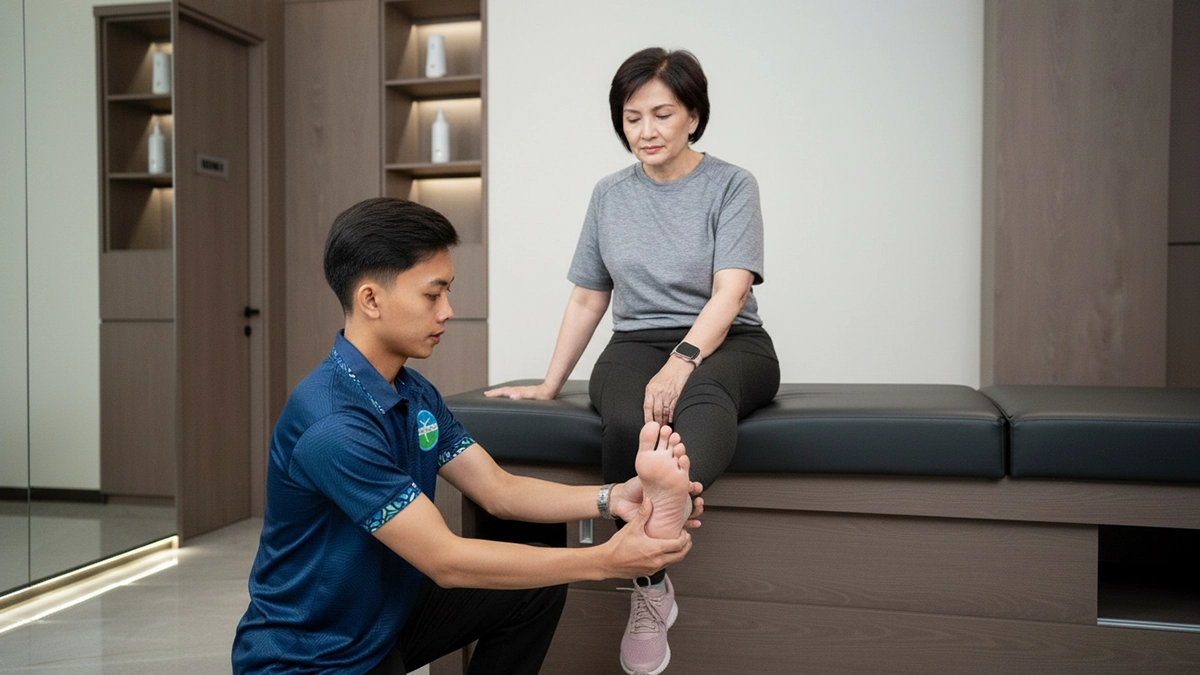
If you
have ever experienced a sharp, stabbing pain in your heel—like stepping on a
nail—when taking your first steps in the morning, it may be a sign of plantar
fasciitis. This condition occurs due to inflammation of the plantar fascia, a
connective tissue that runs along the sole of the foot, connecting the heel to
the toes.
The pain
is often most noticeable after waking up or after prolonged sitting.
Fortunately, this condition can be effectively managed. One of the most
effective treatment methods is plantar fasciitis physiotherapy, which is widely
available in many clinics, including those in Jakarta.
What Is Plantar Fasciitis? More Than Just Heel Pain
Inflammation
of the connective tissue in the sole of the foot can cause significant pain,
especially in the heel area. This pain is typically most intense in the morning
during the first steps or after extended periods of activity.
For
people living in Jakarta, with its active and fast-paced lifestyle, the risk of
developing plantar fasciitis is relatively higher. Therefore, maintaining foot
health is an important long-term investment.
Rather
than relying solely on pain relief medication, professional treatment from a
physiotherapist can provide a more optimal recovery. One option to consider is
receiving therapy at Physiorehab, which offers specialized treatment for
conditions such as plantar fasciitis.
Common Causes of Plantar Fasciitis
Several
factors are known to contribute to the development of plantar fasciitis:
- Prolonged walking or
standing, such as during commutes on public transportation, walking long
distances in shopping malls, or walking on hard surfaces like asphalt or
concrete without adequate foot support
- Engaging in
activities such as marathon running or high-intensity interval training
(HIIT) without proper warm-up
- Wearing non-ergonomic
footwear, such as high heels or thin-soled formal shoes on a daily basis
These
factors can lead to inflammation, irritation, and even micro-tears in the
plantar fascia due to excessive and chronic strain. The plantar fascia
functions as a shock absorber and supports the arch of the foot.
Why Physiotherapy Is a Recommended Treatment
Plantar
fasciitis should not be underestimated, as improper treatment may worsen the
condition. Many people opt for quick relief through massage therapy. However,
deep or aggressive massage may aggravate the inflamed tissue and cause further
micro-tears.
Physiotherapy
is a recommended treatment approach because it uses a structured, science-based
rehabilitation method. It not only aims to relieve pain temporarily but also
addresses the underlying biomechanical issues to prevent recurrence.
Comprehensive Rehabilitation Process at Physiorehab
For those
considering physiotherapy treatment for plantar fasciitis at Physiorehab, here
is the general process:
Registration
and Consultation
Patients
can register directly at the clinic or via WhatsApp. A consultation session
will then be scheduled to assess the patient’s condition and determine the
appropriate treatment plan.
Initial
Assessment
Before
starting therapy, physiotherapists will conduct a thorough evaluation based on
the consultation results. This ensures that the treatment plan is tailored
specifically to the patient’s needs.
Personalized
Treatment Planning
Based on
the assessment, a customized treatment plan will be developed, including
therapy types, duration, and frequency, adjusted to the severity of the
condition.
Physiotherapy
Treatment Phases
1. Acute
Pain & Inflammation Management
The initial phase focuses on reducing inflammation using methods such as:
- Ultrasound therapy to
promote tissue regeneration
- Cryotherapy (cold
therapy) to reduce acute inflammation
- Taping techniques to
support the foot arch and reduce stress on the fascia
2. Manual
Therapy
Hands-on techniques performed by professional physiotherapists to mobilize soft
tissues and improve movement. This includes Myofascial Release to reduce
tension in the calf muscles.
3.
Specific Exercise Therapy
Exercise is essential to prevent recurrence. Patients will be guided through:
- Strengthening
exercises for intrinsic foot muscles
- Dynamic stretching of
the plantar fascia and Achilles tendon
- Exercises to improve
range of motion (ROM), proprioception, and balance
Additional
Exercise Programs
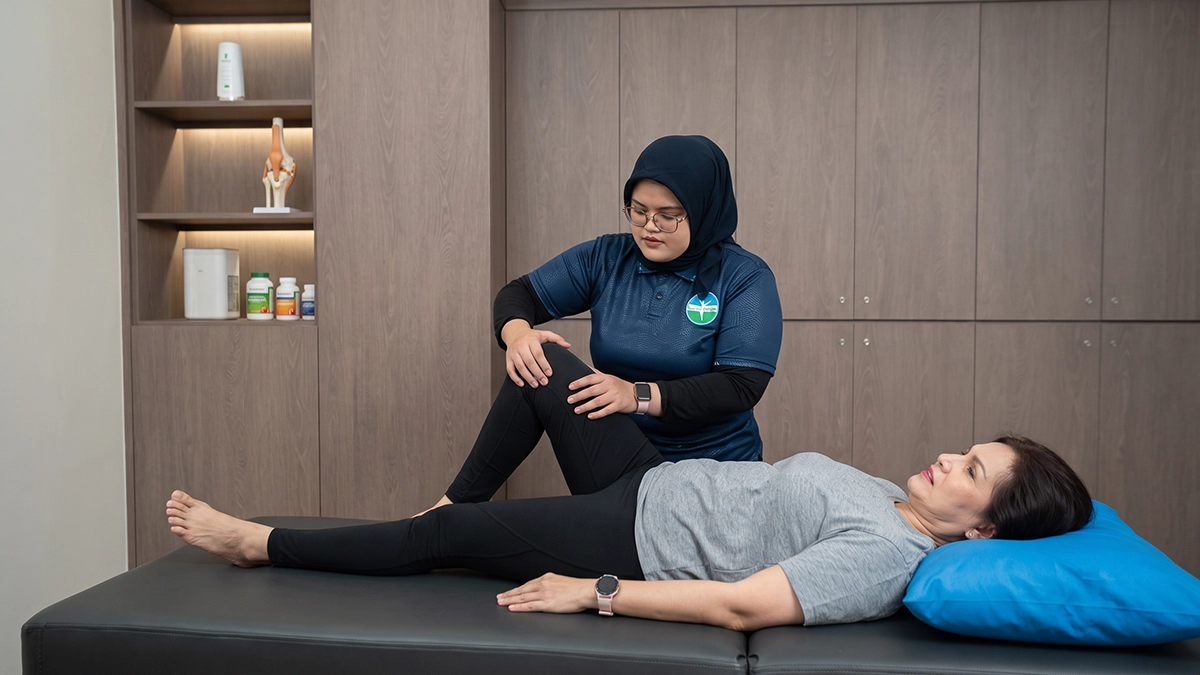
For
example, specific strengthening exercises such as placing a towel under the
knee to activate the quadriceps, especially for post-ACL surgery
rehabilitation.
Regular
Evaluation
Progress
will be monitored regularly to assess improvement and adjust the treatment plan
as needed.
Why Choose Physiorehab for Plantar Fasciitis Treatment
1.
Collaborative Approach
Physiorehab
applies international-standard medical practices with a collaborative approach
among healthcare professionals to ensure optimal recovery.
2.
Holistic Patient Care
Treatment
considers not only physical conditions but also psychological and social
aspects, ensuring a more comfortable and effective recovery process.
3. Modern
Facilities
The
clinic is equipped with advanced and modern facilities designed to support
optimal treatment and patient comfort.
4.
Comprehensive Services
Physiorehab offers integrated services, including outpatient care, inpatient care, and home care. It also provides specialized rehabilitation programs for post-surgical cases such as ACL, MCL, and meniscus injuries.
Latest
Innovation in Physiotherapy Treatment
One of
the latest and most advanced treatments for chronic plantar fasciitis is
Shockwave Therapy (ESWT). This method delivers high-energy shockwaves to the
affected area to stimulate blood circulation and accelerate the body’s natural
healing response.
This
therapy is particularly popular among office workers in Jakarta due to its
shorter treatment duration and effective results.
In many
cases, the root cause of plantar fasciitis may not be limited to the foot.
Muscle imbalances in the hips or knees can alter walking posture and increase
stress on the heel.
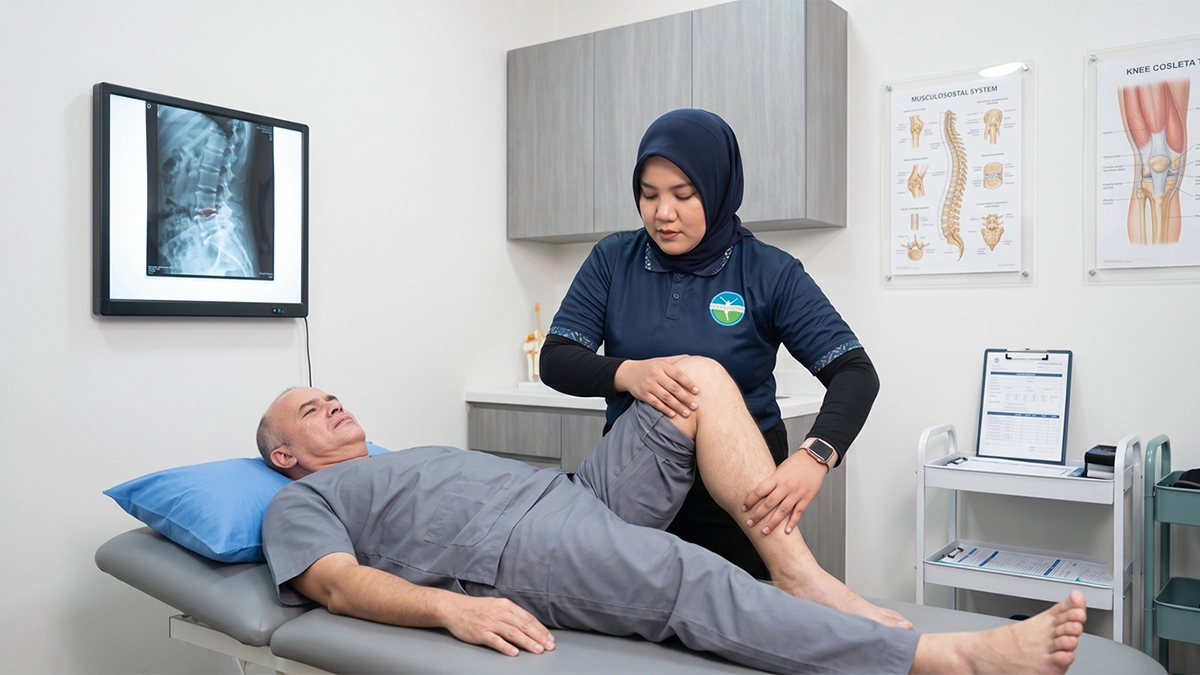
Therefore, physiotherapy assessments are conducted comprehensively—from the hips down to the toes—to correct overall body mechanics and redistribute pressure evenly.
When
Should You See a Physiotherapist?
You
should seek professional help if you experience:
- Swelling in the heel
area
- Decreased foot
strength during activities
- Sharp pain,
especially in the morning or after prolonged sitting
- Persistent heel pain lasting more than one week
Conclusion
Plantar
fasciitis is treatable and does not have to limit your productivity. With
proper physiotherapy treatment—combining manual therapy, advanced technology,
and consistent exercise—you can recover and return to your daily activities
without heel pain.
Ready to
move pain-free again? Consult with professional and experienced
physiotherapists at Physiorehab to receive a personalized recovery program
tailored to your condition. Start your journey to healthier steps today.


 Contact Us